Brain Aneurysm Foundation
Working Towards a World Without Ruptures
Every day, the Brain Aneurysm Foundation is advancing research, providing support, educating communities, and advocating for those impacted by brain aneurysms.
2026 Research Grant Spotlight
The Brain Aneurysm Foundation is proud to support groundbreaking research aimed at improving outcomes for patients and ultimately preventing ruptures. Each week, we’ll highlight one of our 2026 funded researchers and provide a brief overview of their project and its potential impact on patients, families, and the future of care.

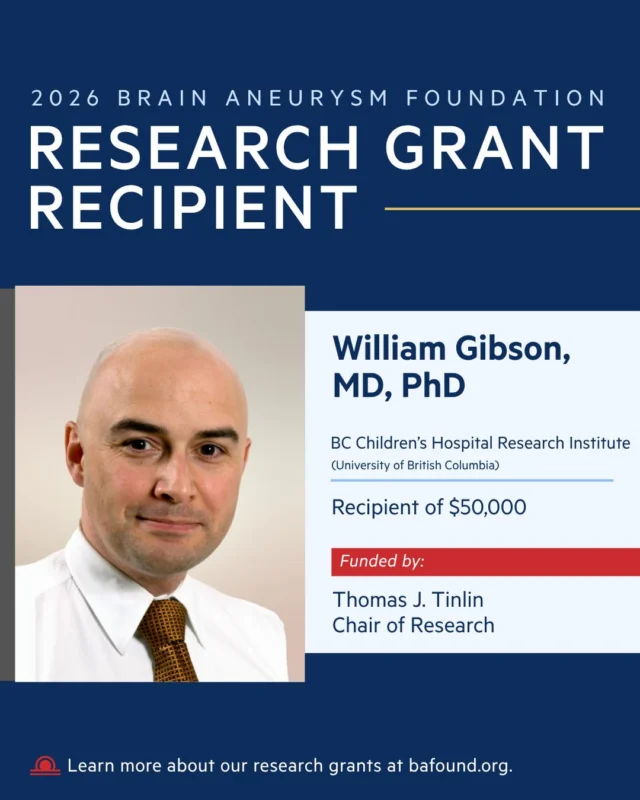
William Gibson, MD, PhD
BC Children’s Hospital Research Institute (University of British Columbia)
Long-Read Whole Genome Sequencing in Familial Intracranial Aneurysms
This project aims to identify genetic changes that may cause brain aneurysms to run in certain families. By studying the DNA of families with multiple relatives affected by aneurysms, researchers hope to uncover rare genetic variants that increase risk. The findings could improve our understanding of why some families are more susceptible to brain aneurysms and may lead to better ways to identify high-risk individuals, prevent aneurysms from developing or rupturing, and develop new targeted treatments in the future.
This project was funded by the Thomas J. Tinlin Chair of Research
The Facts
-


1 in 50 people in the U.S. has an unruptured brain aneurysm
-


A brain aneurysm ruptures every 18 minutes
-
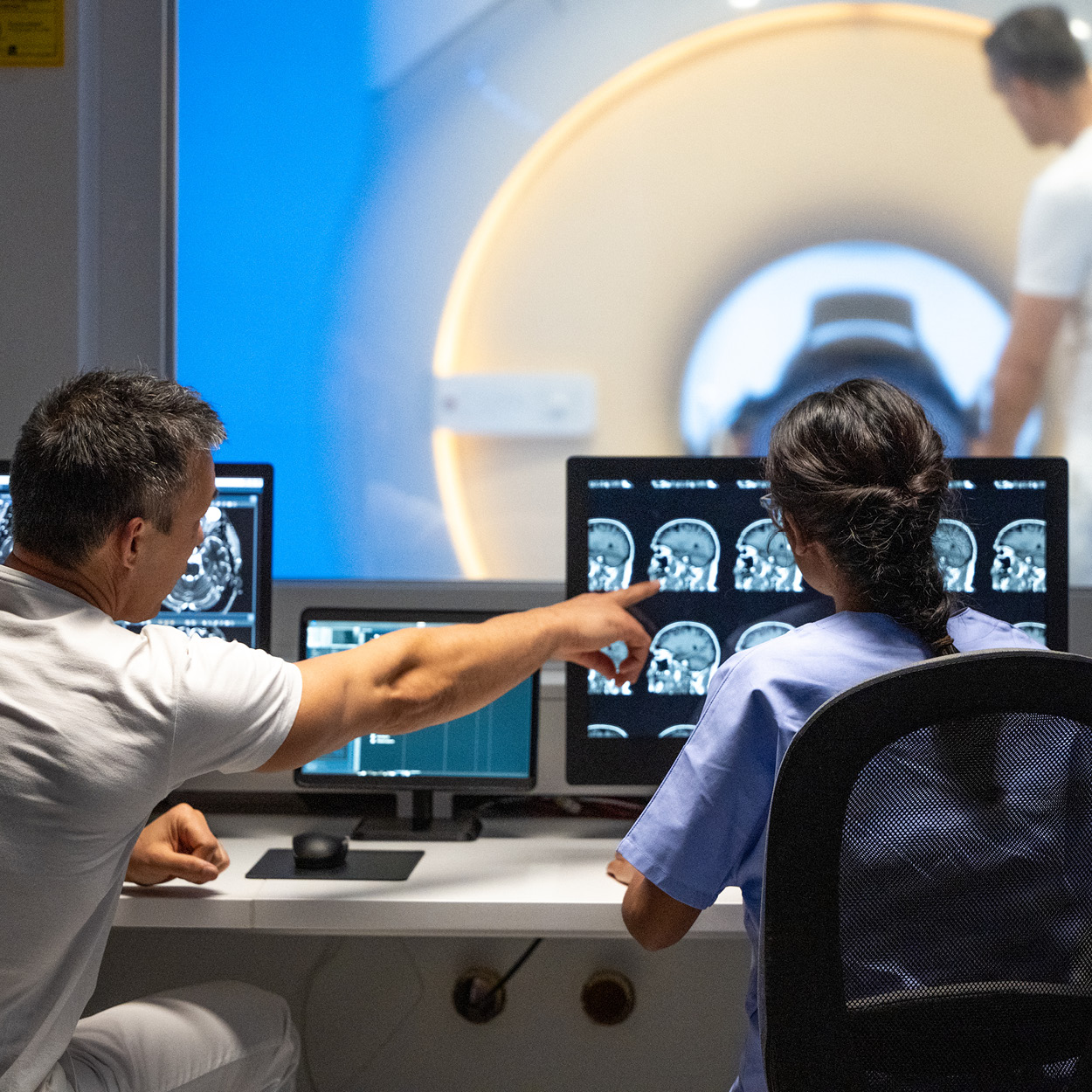

Early detection is critical as most brain aneurysms are treatable
-


The federal government spends only $3.02 per year on brain aneurysm research for each person afflicted

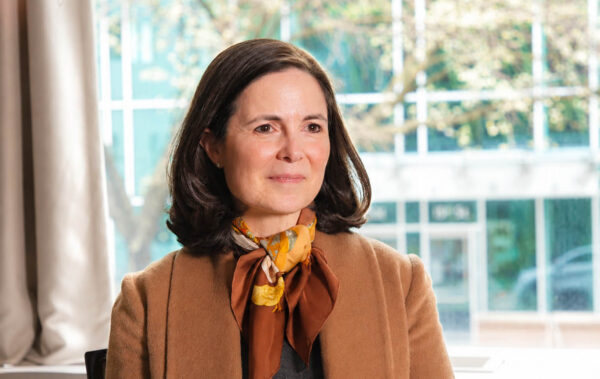
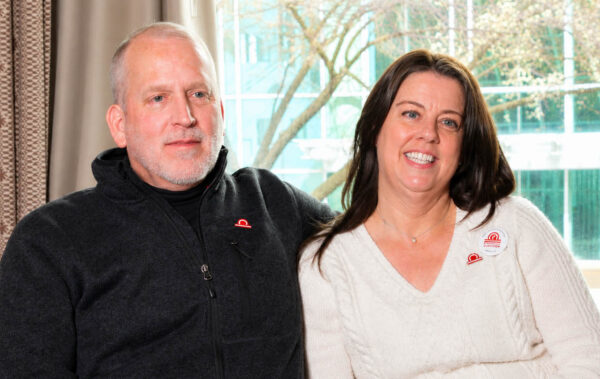
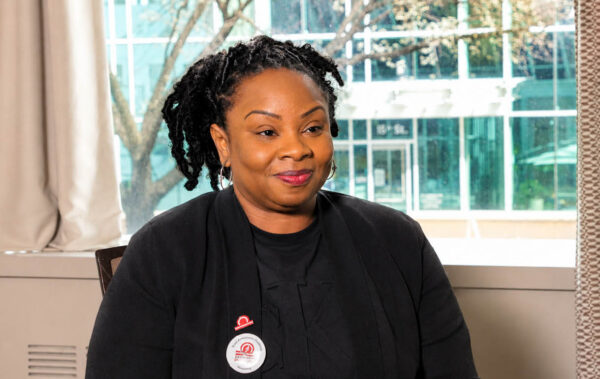
Personal Stories



Our Impact
| The Brain Aneurysm Foundation is the leading advocacy organization supporting education, research, and policy to transform the treatment of brain aneurysms. Funds raised are used for disease awareness efforts and grants that provide support to academic researchers studying the underlying biology of aneurysms or developing new treatment methods. Grantees include leading academic researchers whose work includes efforts to develop biomarkers to better predict and develop potential therapeutics for aneurysms, understand the impact of genetics on rupture outcomes, and create new device technology, drug delivery and robotic approaches to evolve treatment. The BAF has committed nearly $6 million to fund dozens of research efforts in the U.S. and Canada. |
-
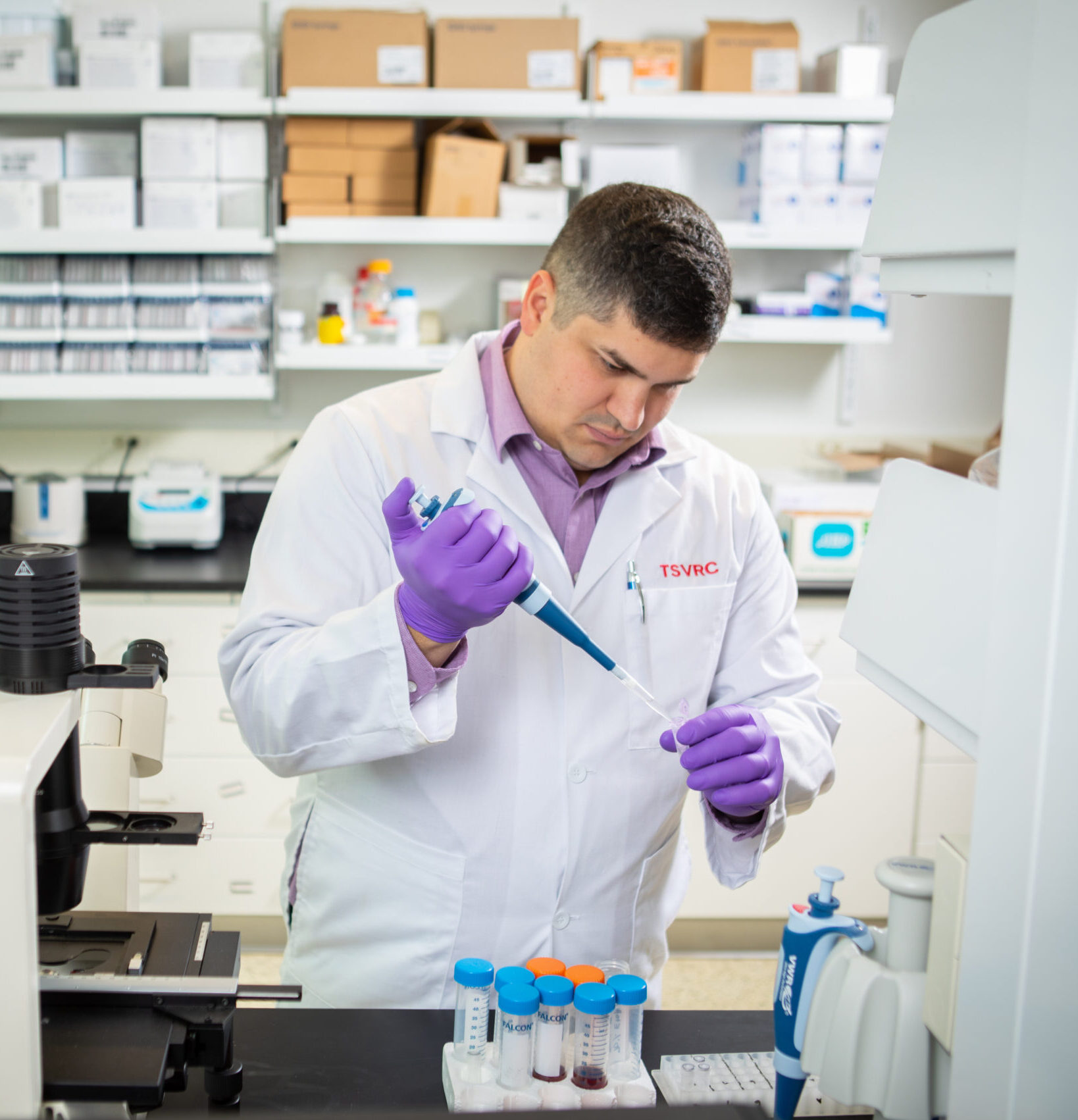
Over $6.5 million
has been funded by the BAF since the inception of our research grant program in 2007
Discover The Program -
-
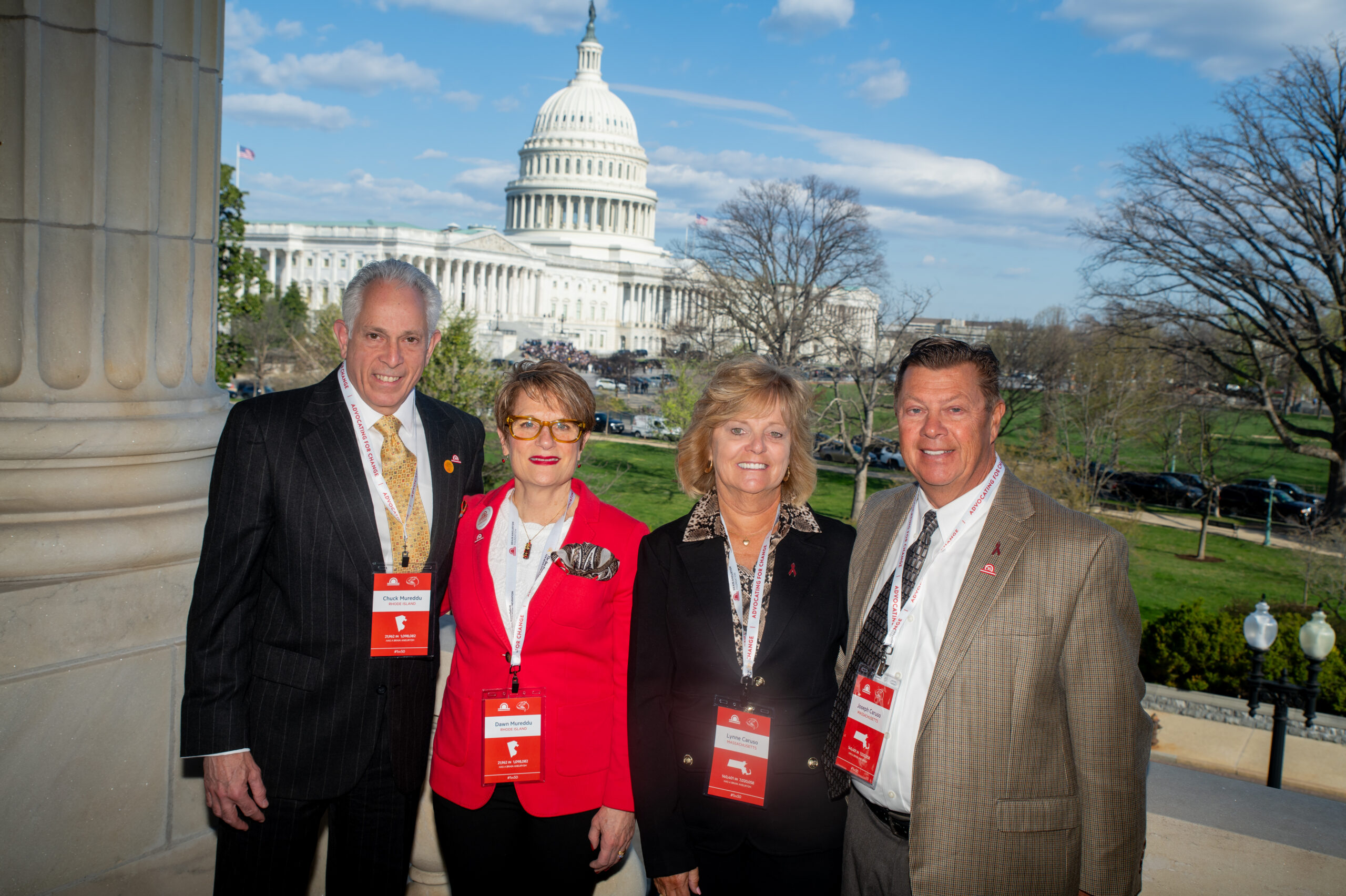
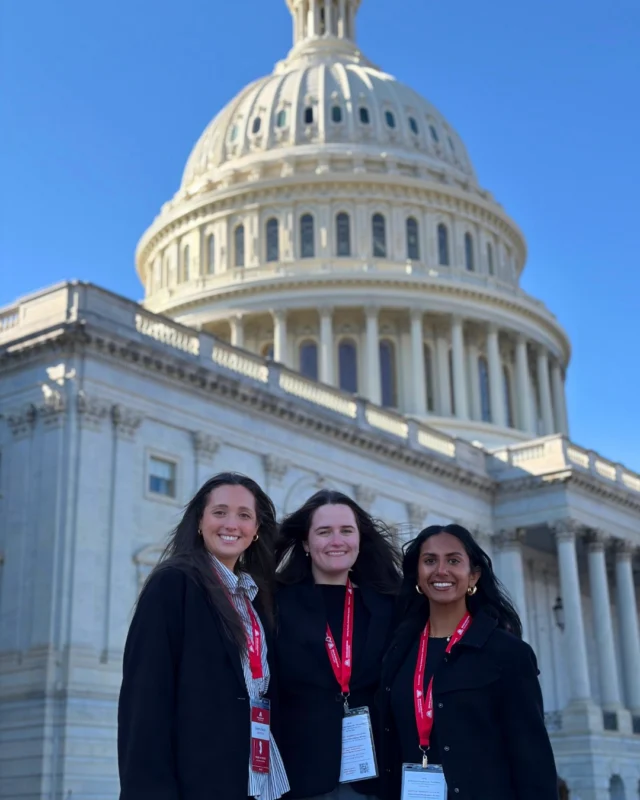
We advocate on Capitol Hill
to seek greater brain aneurysm specific research funding through NIH
Learn More
Take Action

Donate
| Your donation to the Brain Aneurysm Foundation goes directly to critical research efforts focused on reducing the incidence of brain aneurysm ruptures, to create new diagnostics to better prevent ruptures and interventions to transform treatment. Funds are also used to support our education initiatives as we work to advance awareness of the signs of brain aneurysms amongst those at risk, as well as providers and emergency responders. |

Support Groups
| A critical resource for the recovery journey of patients and families. |
Quick Links
Latest Updates
Read More Updates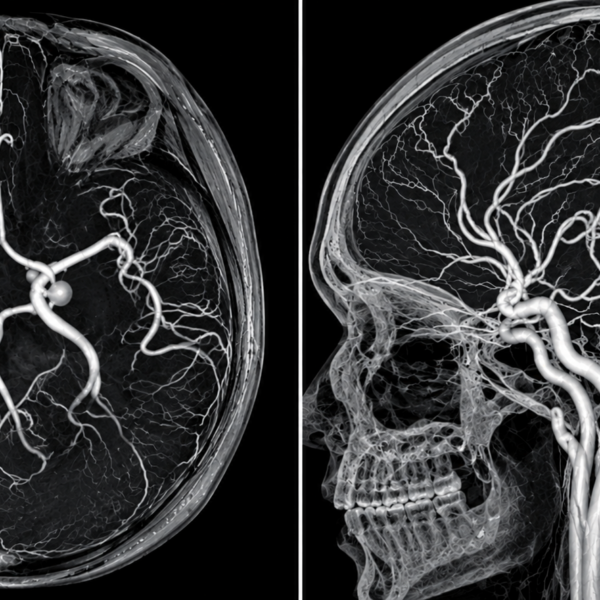

Partners