

 Brain Aneurysm Foundation
 Zhen Hu, PhD
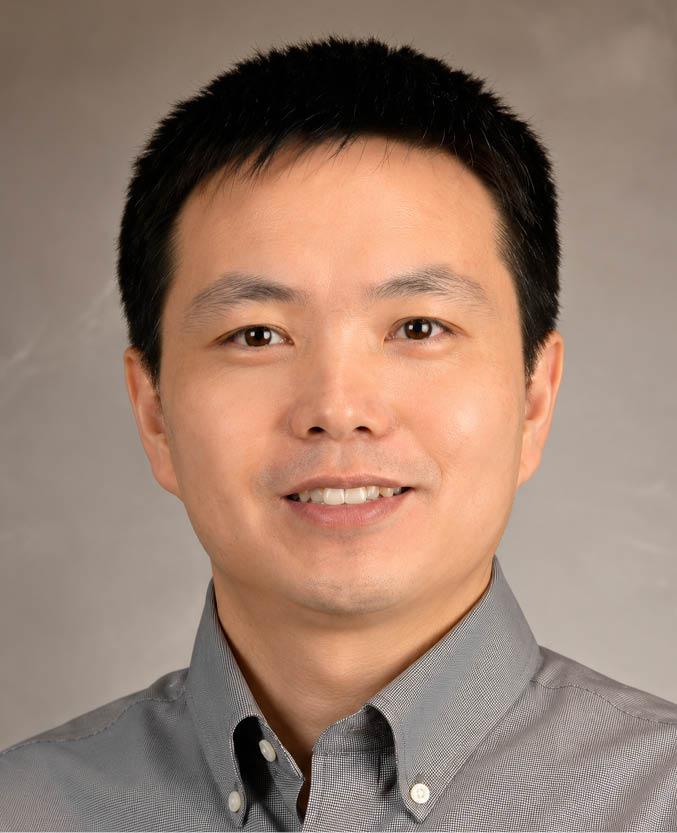
Dr. Zhen Xu is an Assistant Professor in the Department of Neurosurgery at UTHealth McGovern Medical School. His laboratory focuses on understanding the cellular and molecular mechanisms that drive intracranial aneurysm formation, progression, and rupture. By integrating human samples with zebrafish and mouse models, his team investigates how endothelial signaling, vascular integrity, and abnormal blood flow contribute to aneurysm development. The laboratory also places strong emphasis on developing new experimental models, tools, and technologies that can open previously inaccessible areas of cerebrovascular research. Current examples include endothelial proximity labeling in vitro and en face imaging of cerebral arteries in vivo, alongside several additional approaches under active development. Through this combination of mechanistic investigation and method development, Dr. Xu aims to uncover new disease pathways and identify potential therapeutic strategies to prevent aneurysm growth and rupture.
Dr. Xu received his Ph.D. from Tsinghua University in Beijing and later moved to the United States for postdoctoral training at Princeton University, followed by additional research training at UTHealth Science Center at Houston. His experiences at different institutions and in different research environments helped shape his development as a scientist and gave him opportunities to work across multiple biological systems and disciplines. Zhen later joined the faculty at UTHealth McGovern Medical School, where he is now an Assistant Professor in the Department of Neurosurgery. Houston has become an important part of both his professional and personal life. Zhen has been fortunate to build his laboratory, establish collaborations, mentor young scientists, and contribute to the academic community at UTHealth.
What led you to become involved with brain aneurysm research?
I became involved in brain aneurysm research through a collaboration with a clinical team studying families affected by intracranial aneurysms. This work introduced me to the major unanswered questions in the field, especially why aneurysms form, progress, and rupture. I was drawn to the opportunity to connect findings from patients with mechanistic studies in experimental models. Over time, this collaboration developed into a central direction of my laboratory. Our work now focuses on understanding how endothelial dysfunction, abnormal blood flow, and impaired vascular integrity contribute to aneurysm development, with the long term goal of identifying new strategies to prevent aneurysm progression and rupture.
In the simplest terms, what is the purpose of your project?
The purpose of this project is to understand why blood vessels in the brain become weak and form aneurysms. We will study how damage to the endothelial barrier causes leakage and weakens the vessel wall.
In the simplest terms, what do you hope will change through your research findings?
We hope our findings will lead to new ways to restore endothelial barrier function, strengthen brain blood vessels, and reduce the risk of aneurysm growth and rupture.
Why is the funding you are receiving through the Brain Aneurysm Foundation so important?
Funding from the Brain Aneurysm Foundation allows us to explore how impaired endothelial function contributes to brain aneurysm growth and rupture. This support will help us generate important early evidence and may lead to new strategies for protecting blood vessels and preventing aneurysm rupture.