

 Brain Aneurysm Foundation
 Teresa Sanchez, PharmD, PhD
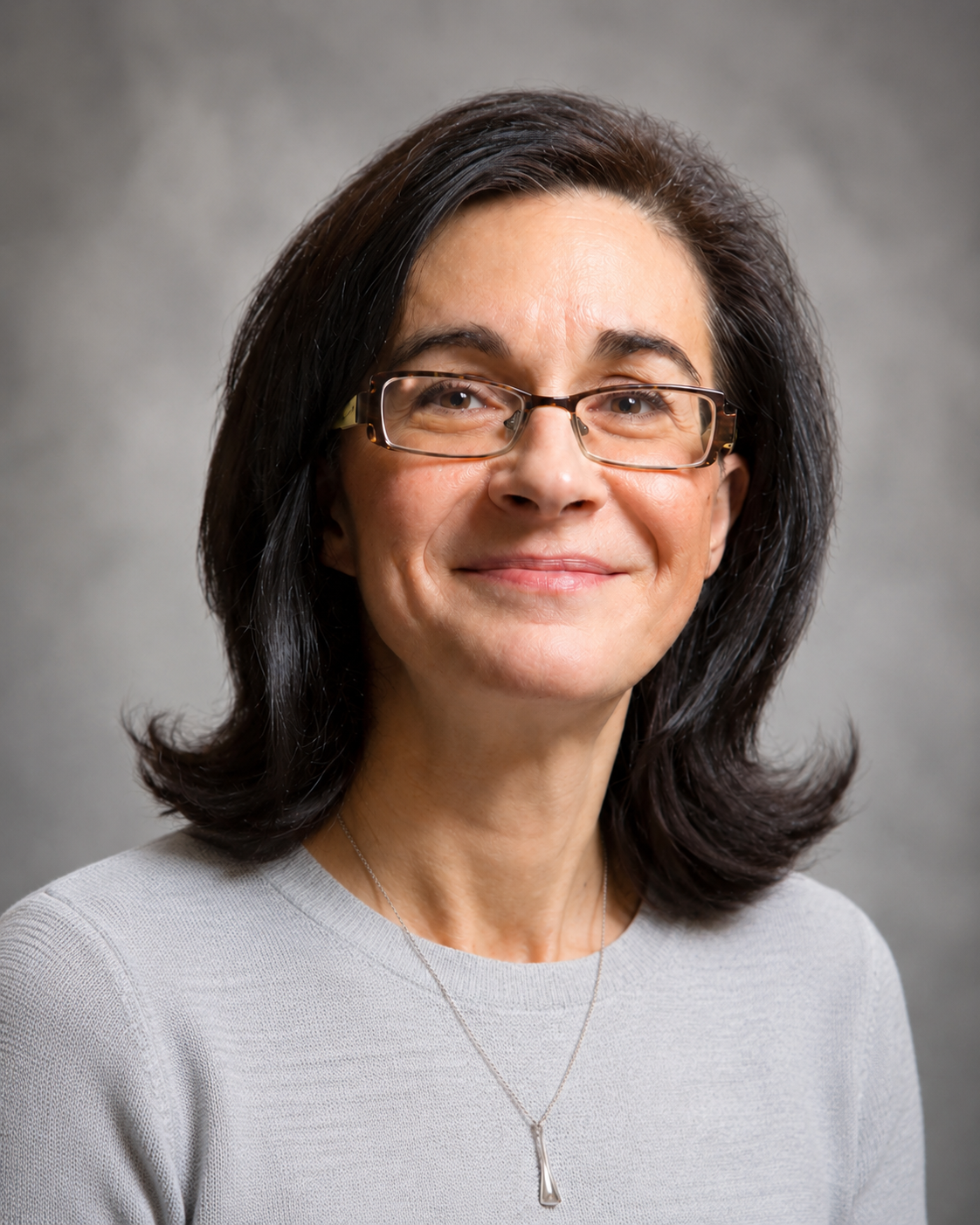
Dr. Teresa Sanchez is Director of the Laboratory for Molecular and Translational Vascular Research and an Associate Professor in the Departments of Pathology and Neuroscience at Weill Cornell Medicine, where she is also affiliated with the Feil Family Brain and Mind Research Institute. Her laboratory investigates the mechanisms that drive cerebral microvascular dysfunction in stroke, including aneurysmal subarachnoid hemorrhage, as well as in dementia and systemic inflammatory conditions such as sepsis. The long-term goal of her research is to develop new therapies that protect the brain’s blood vessels, reduce neurological injury, and improve cognitive and functional recovery. Her team integrates animal models, genetic and pharmacological approaches, and studies of human brain tissue to define disease mechanisms and identify promising therapeutic targets. Through this translational work, Dr. Sanchez aims to prevent or lessen the debilitating consequences of cerebrovascular disease and promote long-term brain health and healthy aging.
Originally from Spain, Dr. Sanchez earned a Doctor of Pharmacy degree and a PhD in Pathophysiology and Molecular Pathology from the University of Barcelona. She then moved to the United States to complete postdoctoral training in vascular biology and stroke research at the University of Connecticut School of Medicine. Dr. Sanchez began her faculty career at the Center for Vascular Biology Research at Beth Israel Deaconess Medical Center, a Harvard Medical School teaching hospital in Boston, where she established research programs focused on stroke and sepsis. In 2015, she joined Weill Cornell Medicine, drawn by the opportunity to translate her scientific discoveries into new therapeutic approaches. Since then, she has expanded her research program to include dementia research and established collaborations with leading experts in drug discovery and development in academia, industry, and nonprofit organizations.
What led you to become involved with brain aneurysm research?
My involvement in brain aneurysm research grew naturally from my longstanding interest in understanding how injury to the brain’s blood vessels contributes to neurological damage and cognitive decline. Through our studies of stroke and blood-brain barrier dysfunction, we identified vascular signaling pathways that appear to play an important role in inflammation, vascular leakage, and brain injury. This led us to investigate whether these same pathways contribute to the devastating effects of aneurysmal subarachnoid hemorrhage. I was particularly drawn to this area because hemorrhagic stroke is one of the most devastating forms of stroke and survivors often face significant and persistent neurological and cognitive challenges. At the same time, effective treatments that directly protect the brain and its blood vessels after an aneurysm ruptures remain limited. Brain aneurysm research therefore provides an important opportunity to apply our expertise in vascular biology toward developing new therapies that may reduce brain injury, improve recovery, and enhance the long-term quality of life of survivors.
In the simplest terms, what is the purpose of your project?
The purpose of our project is to understand why the brain’s blood vessels become damaged after a brain aneurysm ruptures and to test a new treatment designed to protect them. We are focusing on a novel pathway activated in the brain blood vessels in pathological conditions, which we believe contributes to the breakdown of the blood-brain barrier, vascular dysfunction, inflammation, and brain injury following aneurysmal subarachnoid hemorrhage. We will determine whether blocking this pathway with a novel therapeutic agent developed in our laboratory can reduce this damage and improve recovery by protecting blood vessel function and limiting the entry of harmful blood components into the brain.
In the simplest terms, what do you hope will change through your research findings?
We hope our research will identify a previously unexplored vascular mechanism driving brain injury after an aneurysm ruptures. Our goal is to develop a novel therapy that does more than repair the ruptured aneurysm or address blood vessel narrowing. We aim to directly protect the brain and its blood vessels after the hemorrhage, thereby reducing neurological injury, memory problems, and long-term disability. Ultimately, we hope this work will improve survival, recovery, and quality of life for people affected by a ruptured brain aneurysm.
Why is the funding you are receiving through the Brain Aneurysm Foundation so important?
Funding from the Brain Aneurysm Foundation is essential because it allows us to carry out the early proof-of-concept studies needed to determine whether this new therapeutic approach is effective. This support provides critical resources for research personnel, laboratory supplies, and experimental studies that would otherwise be difficult to pursue. The findings will also help us compete for larger federal grants to further understand the mechanisms of brain injury after an aneurysm ruptures and move this promising treatment closer to clinical development. Most importantly, this funding gives us the opportunity to explore a new direction in brain aneurysm research focused on protecting the brain’s blood vessels and improving survivors’ long-term recovery