

 Brain Aneurysm Foundation
 Steffen-Sebastian Bolz MD, PhD, and Darcy Lidington, PhD

Steffen-Sebastian Bolz is a scientist, physician and entrepreneur. He is a Co-Founder of Aphaia Pharma AG and Founder and Chief Scientific and Medical Officer at Qanatpharma AG. Steffen-Sebastian holds a full professorship at the University of Toronto, is a Principal Investigator at the Ted Rogers Centre for Heart Research and is Director of the Toronto Centre for Microvascular Medicine. His research program has contributed novel signaling paradigms, methodological advancements and validated innovative molecular/therapeutic targets in the emerging field of microvascular medicine. Steffen-Sebastian holds a medical degree and a doctorate from the universities of Lübeck and Munich, Germany.
Dr. Bolz was born and raised in Germany. He completed his medical training at the University of Lübeck and then his PhD at the Ludwig-Maximillians University in Munich. Steffen-Sebastian’s PhD program focused on how resistance arteries regulate their level of constriction in order to control blood flow and blood pressure, a theme that continues to be the central focus of his research activities today. In 2006, he was recruited to the University of Toronto, where he is now a full professor. As an MD/PhD, one of his missions is to bridge the significant gap between basic science and clinical medicine.
What led you to become involved with brain aneurysm research?
During the neurosurgery rotation of my medical studies, I encountered several patients who suffered an aneurysm rupture and were severely injured or died as a result of delayed ischemia. I was struck by how powerless we were in terms intervening, as there is only one medication approved for this condition. When I established my research program at the University of Toronto, I had the opportunity to come “full circle” and focus my research on a medical issue that I knew needed attention in the vascular field.
In the simplest terms, what is the purpose of your project?
We have identified a new therapeutic intervention that may reduce delayed brain injury following an aneurysm rupture. Our preliminary data strongly support a positive effect, but there are still key questions that need to be answered: does the drug improve brain blood flow, and does it work the way we think it does? Our project will conduct a battery of studies in mice, in some cases, genetically modified mice, to answer these questions.
In the simplest terms, what do you hope will change through your research findings?
Our goal is to find new therapeutic interventions that reduce delayed brain injury following an aneurysm rupture. We hope our research expands our understanding of how this injury occurs and more importantly, that we are able to help prevent injury patients who suffer aneurysm rupture.
Why is the funding you are receiving through the Brain Aneurysm Foundation so important?
Subarachnoid hemorrhage is considered a rare/orphan disease because its incidence is not frequent. Consequently, it can be challenging to receive funding from major grant agencies in this field because addressing other medical conditions/need is perceived to impact a larger population of patients. The Brain Aneurysm Foundation’s funding support is therefore a crucial part of maintaining our program, as it allows us to advance our projects to a stage where we can compete for larger grants.
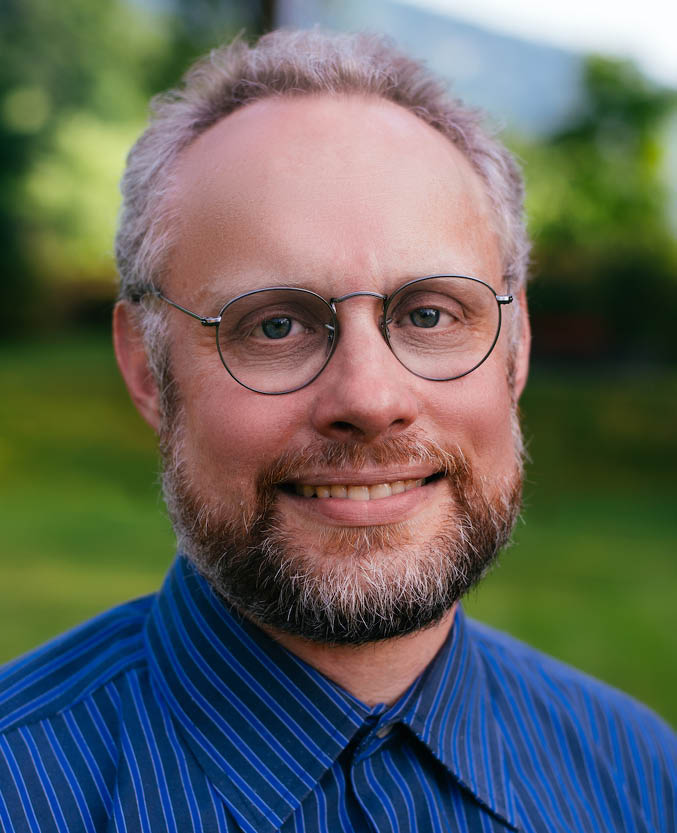
Darcy Lidington is a Senior Research Associate at the University of Toronto, with over 20+ years of experience in the microvascular field. His research focuses on new therapeutic interventions that improve brain perfusion in pathological settings, most notably subarachnoid hemorrhage and heart failure. Darcy also leads the academic training program for Qanatpharma AG, a private pharmaceutical company that collaborates with the Toronto Centre for Microvascular Medicine at the University of Toronto.
Darcy grew up in London, Ontario, Canada, and completed his undergraduate and PhD studies in his hometown at the University of Western Ontario. His PhD program focused on sepsis and, more specifically, how inflammation alters vascular function and blood flow control. In 2003, Darcy had the opportunity to conduct his post-doctoral studies in Munich, Germany – where he met Dr. Steffen-Sebastian Bolz. In 2006, Steffen was recruited to the University of Toronto, and he recruited Darcy to join him. They have had a fruitful and very productive partnership ever since.
What led you to become involved with brain aneurysm research?
As our research program grew at the University of Toronto, we initiated collaborations with researchers in the subarachnoid hemorrhage field. This was my first exposure to the field, and I was excited by the opportunity to enter a research field that is challenging, addresses an unmet need, and has the potential to significantly improve clinical outcomes. The Brain Aneurysm Foundation’s symposiums were also highly influential, as they fostered a more personal connection to the field through interactions with aneurysm survivors and families who have lost loved ones.
In the simplest terms, what is the purpose of your project?
We have identified a new therapeutic intervention that may reduce delayed brain injury following an aneurysm rupture. Our preliminary data strongly support a positive effect, but there are still key questions that need to be answered: does the drug improve brain blood flow, and does it work the way we think it does? Our project will conduct a battery of studies in mice, in some cases, genetically modified mice, to answer these questions.
In the simplest terms, what do you hope will change through your research findings?
Our goal is to find new therapeutic interventions that reduce delayed brain injury following an aneurysm rupture. We hope our research expands our understanding of how this injury occurs and, more importantly, that we will be able to help prevent injury in patients who suffer an aneurysm rupture.
Why is the funding you are receiving through the Brain Aneurysm Foundation so important?
Research on subarachnoid hemorrhage is profoundly underfunded because the field competes for limited research dollars against more highly prevalent diseases. This not only slows progress within the laboratory, but it also limits the number of researchers who decide to enter the field. To effectively compete for large grants that sustain long-term research programs, foundational studies collecting substantial preliminary data must be completed. The Brain Aneurysm Foundation is instrumental in funding these early-stage studies.