

 Brain Aneurysm Foundation
 Redi Rahmani, MD
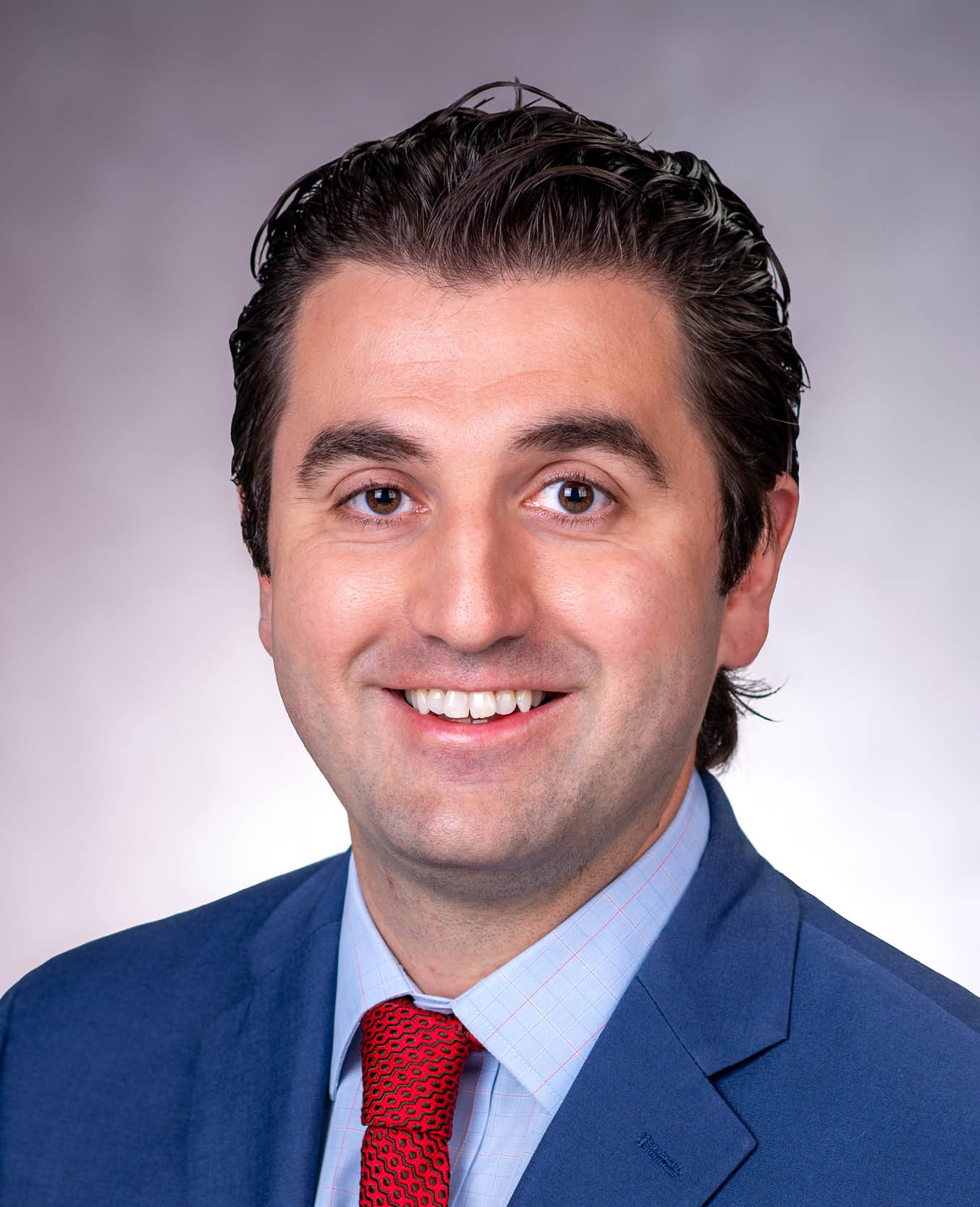
Dr. Redi Rahmani is a dual-trained cerebrovascular neurosurgeon with UofL Health and an Assistant Professor of Neurological Surgery at the University of Louisville School of Medicine. He specializes in the treatment of cerebrovascular disorders, including brain aneurysms, arteriovenous malformations, stroke, and cerebral revascularization. His research focuses on understanding the biological mechanisms underlying aneurysm formation and rupture, with the goal of preventing these conditions. Born in Albania and raised in New York City, he earned a degree in neurobiology from Cornell University, before receiving his M.D. from Dartmouth Medical School. Following his neurosurgery residency at the University of Rochester, he completed fellowships in open cerebrovascular and skull base surgery at the Barrow Neurological Institute under Dr. Michael Lawton and in endovascular neurosurgery at the University of Pennsylvania. Through his clinical and translational research, Dr. Rahmani is committed to advancing innovative therapies that improve outcomes for patients with cerebrovascular disease.
Redi was born in Albania and raised in New York City, where he completed his early education and earned a Bachelor of Arts in Neurobiology, cum laude, from Cornell University. He went on to attend Dartmouth Medical School, receiving his M.D. in 2016, and completed his neurosurgery residency at the University of Rochester Medical Center. During residency, Dr. Rahmani helped establish a state-of-the-art neurosurgical training laboratory, launched a multi-institutional clinical trial focused on cerebral ischemia following aneurysmal subarachnoid hemorrhage, authored a textbook, collaborated on transcranial ultrasound technology, and contributed to multiple patents.
Following residency, Dr. Rahmani completed an open cerebrovascular and skull base fellowship at the Barrow Neurological Institute under the mentorship of Michael Lawton, where he specialized in the treatment of brain aneurysms, arteriovenous malformations (AVMs), cavernous malformations, and cerebral bypass procedures. He also completed a postdoctoral research fellowship studying cellular senescence in intracranial aneurysms under the guidance of Tomoko Hashimoto, where he first received funding from the Brain Aneurysm Foundation. He subsequently completed an endovascular neurosurgery fellowship at the University of Pennsylvania, gaining expertise in minimally invasive catheter-based treatments, including aneurysm coiling, flow diversion, mechanical thrombectomy, intracranial stenting, and diagnostic angiography.
Dr. Rahmani currently serves as an Assistant Professor in the Department of Neurological Surgery at the University of Louisville School of Medicine and as a cerebrovascular neurosurgeon with UofL Health. His clinical practice focuses on complex cerebrovascular disorders, including brain aneurysms, AVMs, cavernous malformations, stroke, and cerebral revascularization surgery. In addition to his clinical work, he leads an active research program investigating cerebral aneurysm biology and contributes to studies on delayed cerebral ischemia after subarachnoid hemorrhage, cerebrovascular device innovation, transcranial ultrasound technology, and other translational approaches aimed at improving outcomes for patients with neurovascular disease.
What led you to become involved with brain aneurysm research?
Throughout my training to become a cerebrovascular neurosurgeon, I have had first hand experience in seeing the suffering that comes with brain aneurysms. During my neurosurgery residency at the University of Rochester, I led a multi-institutional clinical trial investigating delayed cerebral ischemia following aneurysmal subarachnoid hemorrhage and became deeply involved in aneurysm research. After further specialization at Barrow and the University of Pennsylvania, I developed expertise in the treatment of aneurysms. This increased my desire to prevent the devastating events of aneurysmal rupture before it occurs. My research goals are to uncover the biological mechanisms occurring in aneurysm formation and rupture. Through translation studies including both basic science and clinical research, I hope to improve outcomes and develop strategies to prevent and treat cerebrovascular disease, and more specifically, brain aneurysms.
In the simplest terms, what is the purpose of your project?
This project’s goal is to determine how cigarette smoking, vaping, and newer “tobacco-free” nicotine products can affect the development and rupture of brain aneurysms. By combining a novel inhalation ‘smoking’ model with the established mouse aneurysm formation model, we hope to understand how these products can damage blood vessels and increase aneurysm risk.
In the simplest terms, what do you hope will change through your research findings?
We hope our findings will provide the first ever biological data on how vaping and synthetic nicotine products influence brain aneurysm formation and rupture. These results could help guide public health recommendations and policies, inform patients and healthcare providers about potential risks, and lay the foundation for future therapies and prevention strategies that reduce aneurysm-related strokes and deaths.
Why is the funding you are receiving through the Brain Aneurysm Foundation so important?
The Brain Aneurysm Foundation (BAF) is the largest private contributor of funding to brain aneurysm research currently in the US. Support from the BAF is essential as it allows us to study an important and rapidly emerging public health issue that has received little scientific attention. This funding opens the door for development of a new experimental platform and generates the data needed to understand the vascular effects of cigarettes, e-cigarettes, and synthetic nicotine products. These results will provide the foundation for larger studies and could ultimately lead to improved prevention strategies, and less morbidity prevalence from brain aneurysms. The BAF’s dedication to scientific research, brain aneurysms treatment and prevention have made a profound impact to this field. To be a part of this community is a privilege, and we are grateful to contribute towards providing better outcomes for patients with brain aneurysms.