

 Brain Aneurysm Foundation
 Koji Hosaka, PhD
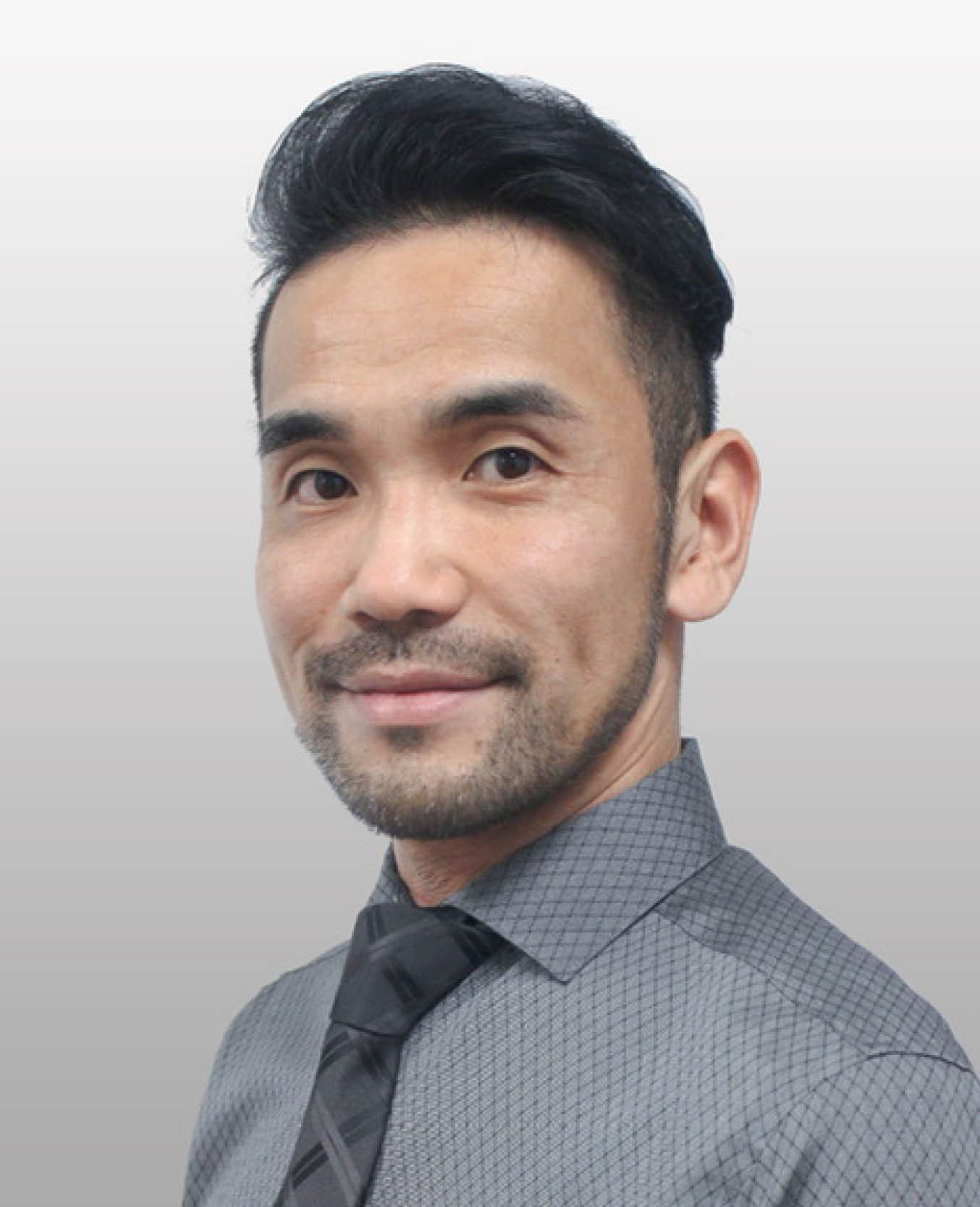
After earning his Ph.D. in Japan, he joined the University of Florida in 2005 as a postdoctoral associate in Dr. Edward Scott’s regenerative medicine research group. In 2008, he joined Dr. Brian Hoh’s cerebrovascular research group in the Department of Neurosurgery. His current research focuses on intracranial aneurysms, with an emphasis on the mechanisms underlying aneurysm formation, aneurysm and vascular repair, and neurological deficits following subarachnoid hemorrhage (SAH) using animal models.
2004: earned PhD in embryology in Japan
2005-2008: post-doc at UF
2008-2010: post-doc at UF (neurosurgery)
2010-2019: Assistant Scientist at UF (neurosurgery)
2019-2026: Associate Scientist at UF (neurosurgery)
2026- : Scientist
What led you to become involved with brain aneurysm research?
I became involved in brain aneurysm research after joining Dr. Brian Hoh’s laboratory in 2008. Coming from a background in regenerative medicine, I was intrigued by the challenges of understanding vascular biology and the mechanisms that drive aneurysm formation and rupture. I enjoy combining basic science with translational research to identify potential therapeutic targets that may ultimately improve patient care.
In the simplest terms, what is the purpose of your project?
To identify potential therapeutic targets after SAH.
In the simplest terms, what do you hope will change through your research findings?
To help patients with SAH recover from neuronal damage using a targeted treatment.
Why is the funding you are receiving through the Brain Aneurysm Foundation so important?
This funding is crucial for the continued advancement of our research on the neurovascular niche and neural repair after SAH and will help establish me as a competitive candidate for future NIH and AHA grant funding.