

 Brain Aneurysm Foundation
 Tatsat R. Patel, MS, PhD and Kerry Poppenberg, PhD

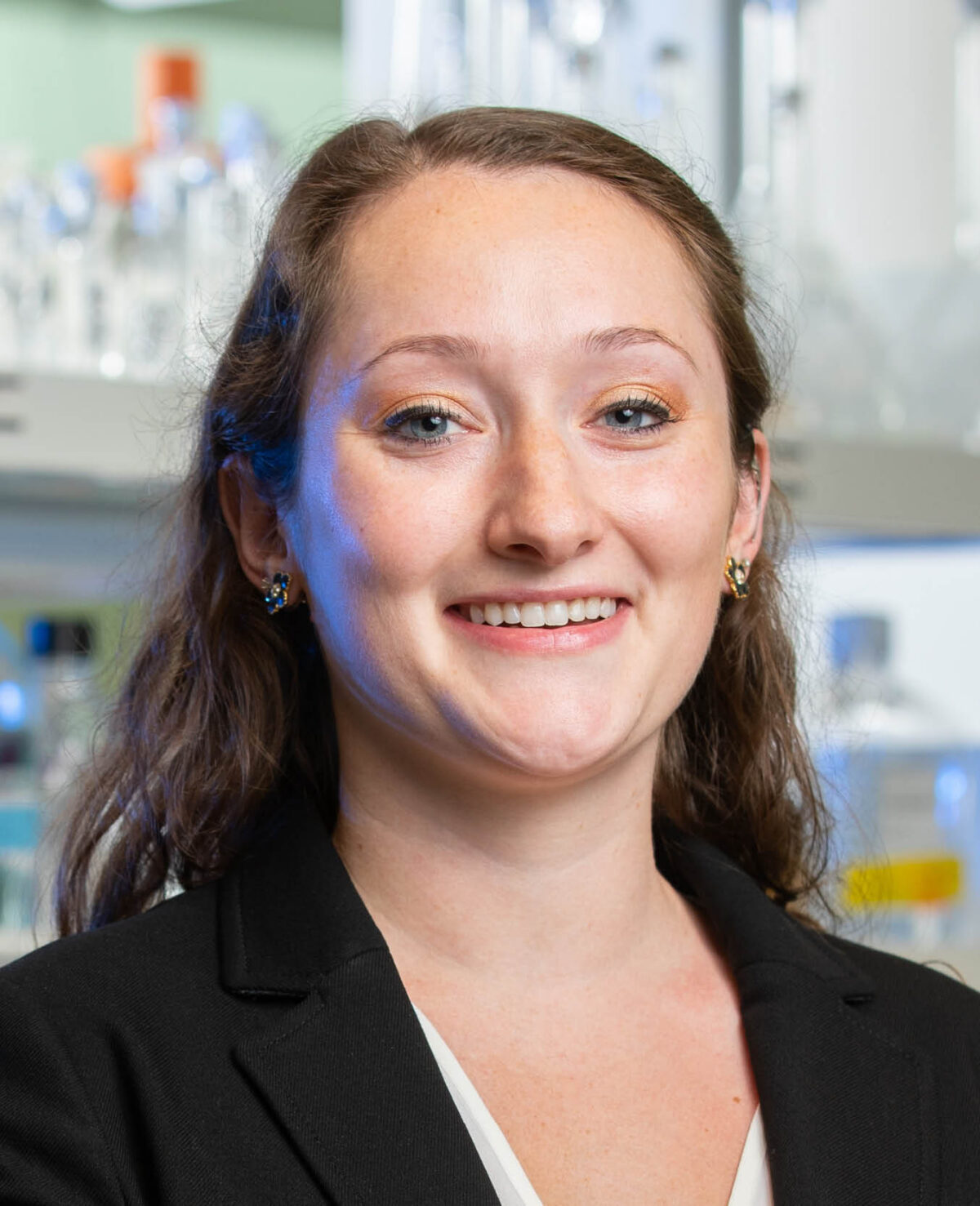
Dr. Tatsat Patel is a postdoctoral research scientist at the University at Buffalo’s Canon Stroke and Vascular Research Center. His work integrates advanced imaging, computational modeling, and molecular profiling to improve diagnosis and treatment of cerebrovascular diseases. Dr. Patel received his PhD in Mechanical Engineering from UB in 2022, where he pioneered multi-omics approaches to study stroke and aneurysm outcomes under the mentorship of Dr. Vincent Tutino. Originally from India, he completed his undergraduate studies at the National Institute of Technology, Surat, and has lived in Buffalo for the past 10 years. He is passionate about translating science into clinical tools to prevent stroke and aneurysm-related morbidity.
Tatsat earned his undergraduate degree in Mechanical Engineering from the National Institute of Technology, Surat (India) in 2015. He then moved to the U.S. to pursue graduate studies at the University at Buffalo, earning my MS in 2018 and PhD in 2022, both in Mechanical Engineering. Tatsat currently works as a postdoctoral research scientist in the Department of Neurosurgery at UB.
What led you to become involved with brain aneurysm research?
During my MS studies at UB, I was introduced to the Canon Stroke and Vascular Research Center and was inspired by their mission to improve stroke and aneurysm care. Witnessing the clinical relevance and life-saving potential of this research, I decided to pursue my PhD at the center and have remained committed to this field since.
In the simplest terms, what is the purpose of your project?
We are studying brain aneurysms in patients over time, combining imaging and blood samples collected at two separate visits, to understand what biological and shape-based changes signal that an aneurysm is growing and becoming dangerous.
In the simplest terms, what do you hope will change through your research findings?
We hope to give doctors better tools to identify which aneurysms are likely to grow, so that treatment decisions can be based on a patient’s actual biological trajectory rather than on simple size measurements or scores that frequently miss high-risk cases.
Why is the funding you are receiving through the Brain Aneurysm Foundation so important?
Longitudinal datasets pairing imaging and blood samples from the same aneurysm patients are exceptionally rare, and this kind of foundational pilot work does not fit neatly into traditional funding mechanisms. BAF support makes it possible to generate the preliminary data and candidate biomarkers needed to pursue larger, definitive studies that could ultimately change how patients with unruptured aneurysms are monitored and treated.
Kerry Poppenberg, PhD is the Chief Scientific Officer at Neurovascular Diagnostics, Inc., a start-up company that is developing blood-based diagnostics for brain aneurysms. She also serves as a research scientist in the Neurosurgery Department at the University at Buffalo. Her work focuses on advancing the understanding of cerebrovascular diseases, predominantly intracranial aneurysms and ischemic stroke. By combining gene expression data with other types of information, including imaging features and patient health data, she aims to develop multimodal biomarkers for disease diagnosis and prognostication. Using advanced techniques like single-cell RNA sequencing and spatial transcriptomics, she works to uncover new insights into how cerebrovascular diseases develop, ultimately striving to improve detection, risk assessment, and patient outcomes.
Kerry was born and raised in Buffalo, New York. She completed both her undergraduate and graduate studies in the Department of Biomedical Engineering at the University at Buffalo, earning her Ph.D. in 2020. Her doctoral research focused on blood-based biomarkers and the epigenetic mechanisms underlying brain aneurysms. Dr. Poppenberg has continued her research at the Canon Stroke & Vascular Research Center, while also working to translate these discoveries into a blood-based diagnostic test for brain aneurysms through the startup company Neurovascular Diagnostics.
What led you to become involved with brain aneurysm research?
During my first year of graduate school, I took a cardiovascular biomechanics course that highlighted translational research for cardiovascular diseases. I was fascinated by this research avenue as it offered a direct connection to individuals with these diseases. I subsequently joined the lab at the Canon Stroke and Vascular Research Center and began studying gene expression patterns in individuals with brain aneurysms. Having a family history of brain aneurysms myself, I am particularly interested in improving aneurysm detection.
In the simplest terms, what is the purpose of your project?
This project aims to identify markers, through both gene expression and cerebral imaging analysis, that are associated with aneurysm growth over time. These markers may be used in the future to identify aneurysm most likely to grow that could benefit from treatment or additional monitoring.
In the simplest terms, what do you hope will change through your research findings?
We anticipate that successful completion of this research will identify new markers of aneurysm instability that can be used to inform treatment or surveillance practices. Ultimately, we hope that such biomarkers can save individuals from experiencing aneurysmal rupture. This project will also result in a better understanding of biological differences between aneurysms that grow and those that remain stable.
Why is the funding you are receiving through the Brain Aneurysm Foundation so important?
Funding from the BAF is critical as this proposal is a smaller, pilot study. We are using previously collected aneurysm samples to analyze changes in circulating gene expression and imaging features over time. Successful completion of this project will give us the foundation to conduct follow up studies, validating the identified markers in larger populations and hopefully ultimately improving aneurysm patient management.