

 Brain Aneurysm Foundation
 Karol Budohoski MD, PhD, FRCS and Sri Veeturi, PhD
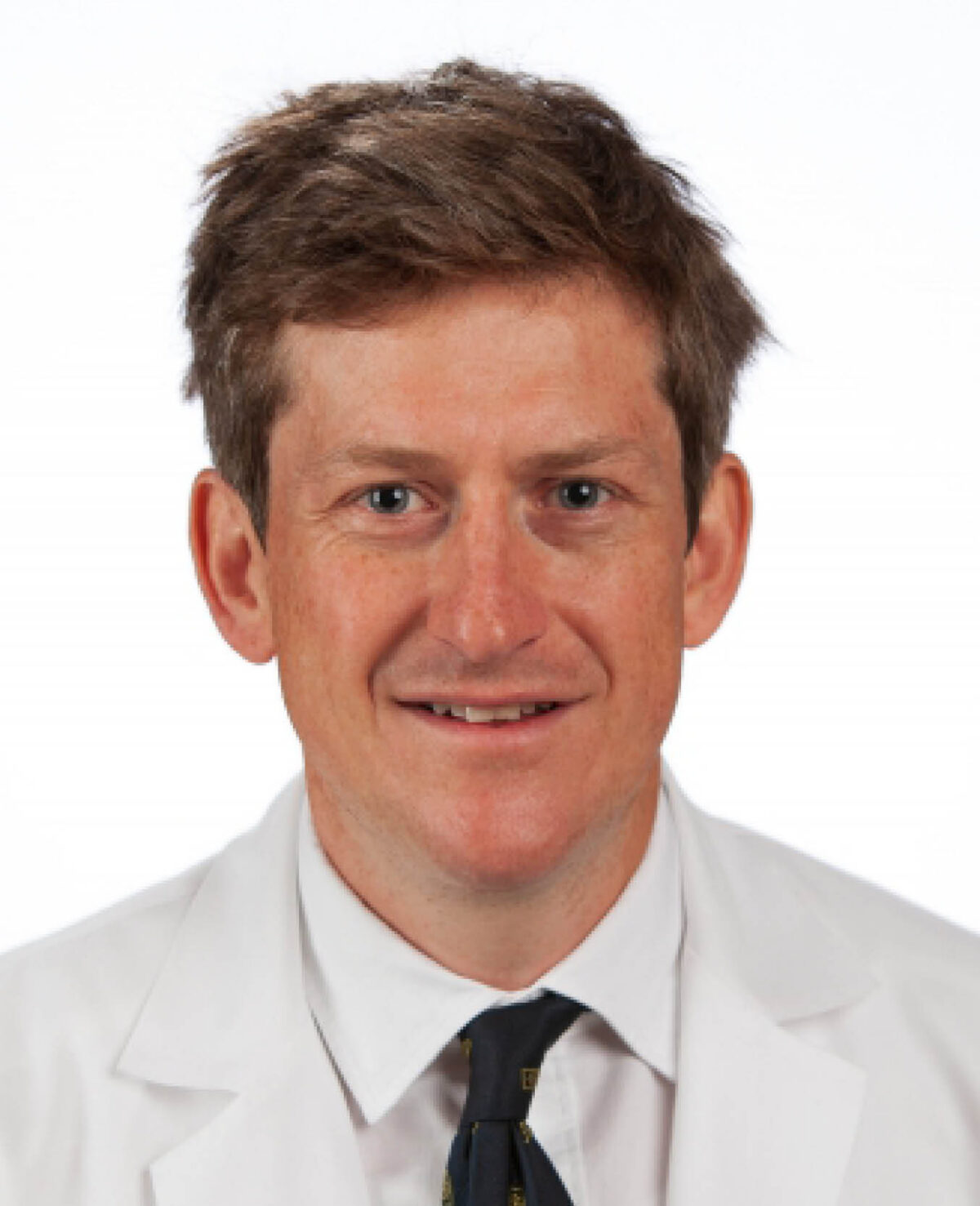
Karol Budohoski is a cerebrovascular, endovascular and skull base neurosurgeon who treats vascular and skull base pathologies through a combination of open microsurgical techniques, as well as minimally invasive approaches including endovascular techniques and endoscopic techniques. Dr Budohoski’s academic interests include the pathophysiology of subarachnoid hemorrhage, intracranial aneurysms and stroke. He heads the Budohoski Lab which focuses on identifying the molecular pathways responsible for development, rupture and complications of intracranial aneurysms. He also works on developing specialized brain monitoring imaging tools to help treat patients with brain aneurysms and stroke.
Dr Budohoski has a longstanding interest in Global Neurosurgery and has been involved in Neurosurgical education and research in Tanzania and Zambia since 2015. Dr Budohoski has collaborated with the Weill-Cornell group at NYC and served as faculty on numerous Neurotrauma Courses for the East, Central and South African Regions. Since 2020 he has been working on developing endovascular treatment paradigms for stroke in low and income countries, with a focus on Tanzania.
Karol born in Warsaw, Poland, completed his PhD and Neurosurgery residency at the University of Cambridge in the UK and came to the US for cerebrovascular and skull base fellowships, which he has done at UCSF and the University of Utah, where he currently practices.
What led you to become involved with brain aneurysm research?
I have always been fascinated by this disease and how much we do not know about why aneurysms form, why they rupture and what leads to some of the complications despite this being one of the most talked about pathologies in neurosurgery.
In the simplest terms, what is the purpose of your project?
We hope to shed light on the causes of a very important complication of bleeding from intracranial aneurysms – cerebral vasospasm. We want to use the most advanced techniques to determine the precise genes that are being activated in the brain vessels that are affected by this disease.
In the simplest terms, what do you hope will change through your research findings?
If we are able to identify the exact genes that are activated there is possibility we can use existing or new drugs to target these genes and treat vasospasm before it has time to cause damage.
Why is the funding you are receiving through the Brain Aneurysm Foundation so important?
The funding allows us to start gathering date, but even more importantly it provides a platform to share what we are doing with other likeminded scientists and hopefully build lasting collaborations.
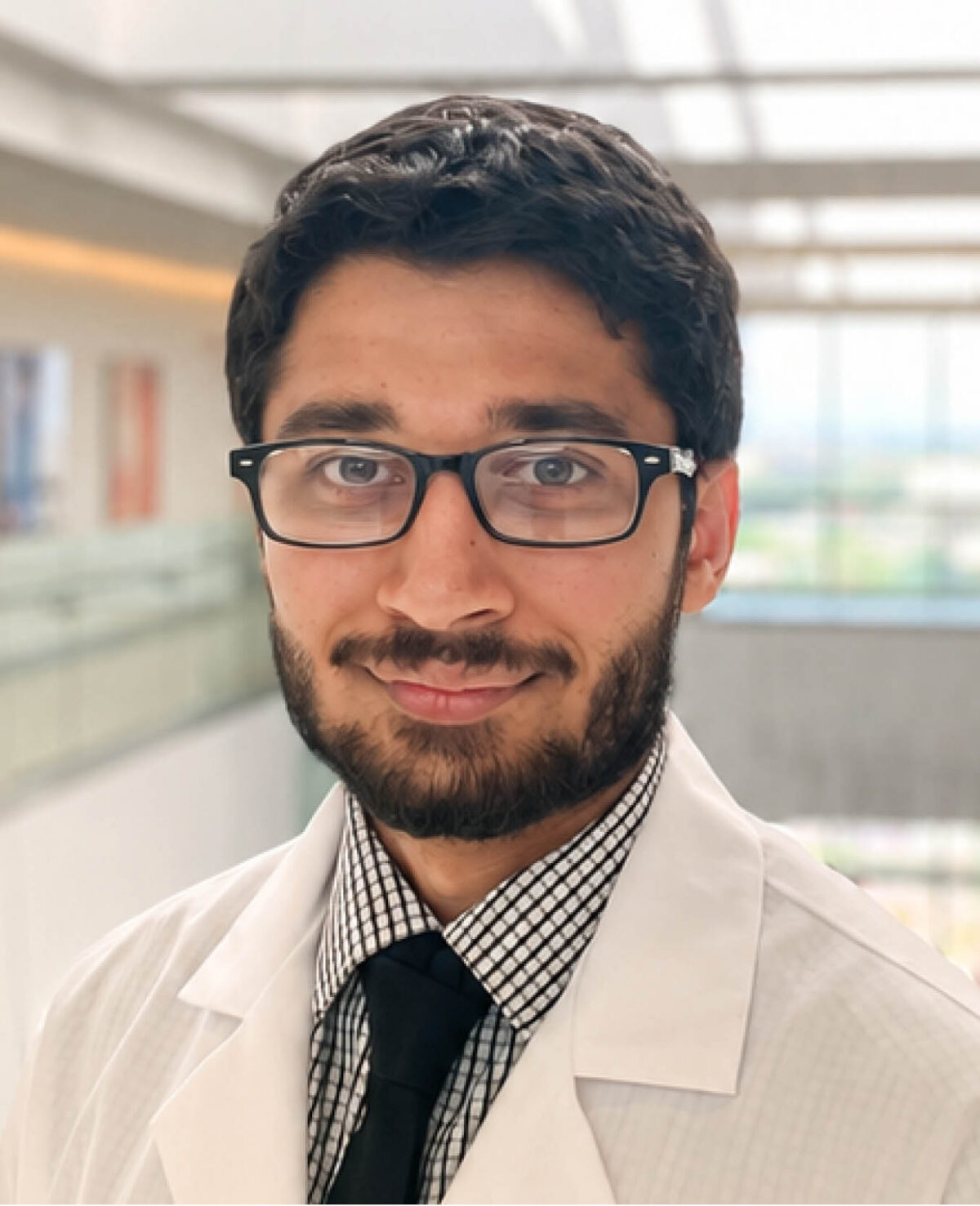
Dr. Sricharan (Sri) Veeturi is a Postdoctoral Associate in the Department of Neurosurgery at the University of Utah and a 2026–27 NIH StrokeNet Fellow. His research bridges vascular biology, computational hemodynamics, and translational genomics to better understand why intracranial aneurysms rupture and how to identify high-risk patients earlier. After earning his PhD in Mechanical Engineering at the University at Buffalo under Dr. Vincent Tutino, he developed imaging- and hemodynamics-based tools for predicting aneurysm rupture risk. His current work includes a novel endoluminal biopsy technique for single-cell profiling of endothelial cells directly from aneurysm patients — uncovering molecular signatures of vessel wall damage and repair. He has authored 15+ peer-reviewed publications and has 20+ conference presentations. His long-term goal is to build biologically grounded biomarker frameworks that help clinicians make more individualized treatment decisions for patients with brain aneurysms and cerebrovascular disease.
Sri grew up and completed his early education in India before moving to the United States to pursue both his Master’s and PhD in Mechanical Engineering at the University at Buffalo. Under the mentorship of Dr. Vincent Tutino, he was introduced to brain aneurysm research and became captivated by the challenge of predicting a condition that is often silent yet can have life-altering consequences.
Through his doctoral studies, postdoctoral training at the University at Buffalo, and his current work at the University of Utah, Dr. Veeturi has focused on advancing the understanding of brain aneurysms and intracranial atherosclerosis using advanced imaging techniques and single-cell transcriptomics. His research is driven by a commitment to improving the precision and accessibility of aneurysm risk assessment, with the goal of helping patients and families make informed decisions and reducing the uncertainty that often accompanies an aneurysm diagnosis.
What led you to become involved with brain aneurysm research?
When I was 10, I lost my grandfather to a brain hemorrhage, with almost no warning beforehand. Over the years, meeting so many families who have lost loved ones to this disease, or are living as survivors themselves, has only deepened my commitment to this work. Their stories are a constant reminder of why this research matters, and they motivate me to keep pushing toward better ways to predict and prevent these devastating outcomes.
In the simplest terms, what is the purpose of your project?
Delayed cerebral ischemia (DCI) is one of the most devastating complications that can follow a ruptured brain aneurysm — it can cause serious brain injury even in patients who survive the initial rupture. Right now, doctors have no reliable way to predict which patients will develop DCI, which makes it extremely difficult to intervene in time. Our research is exploring a promising new lead: that specific cells within the aneurysm itself may hold the key to who is at risk — potentially opening the door to earlier warning signs and more targeted treatment.
In the simplest terms, what do you hope will change through your research findings?
My hope is to identify specific genes that could serve as targets for future drug treatments or medications that could be given proactively to aneurysm patients to help prevent delayed cerebral ischemia that can occur even after a ruptured aneurysm has been successfully treated.
Why is the funding you are receiving through the Brain Aneurysm Foundation so important?
This funding is paramount for pilot research like ours as we will be performing gene sequencing of cells which is current state of the art and will help us generate preliminary data for future larger grants.