

 Brain Aneurysm Foundation
 John Emmanuel Rivera Torio, MD
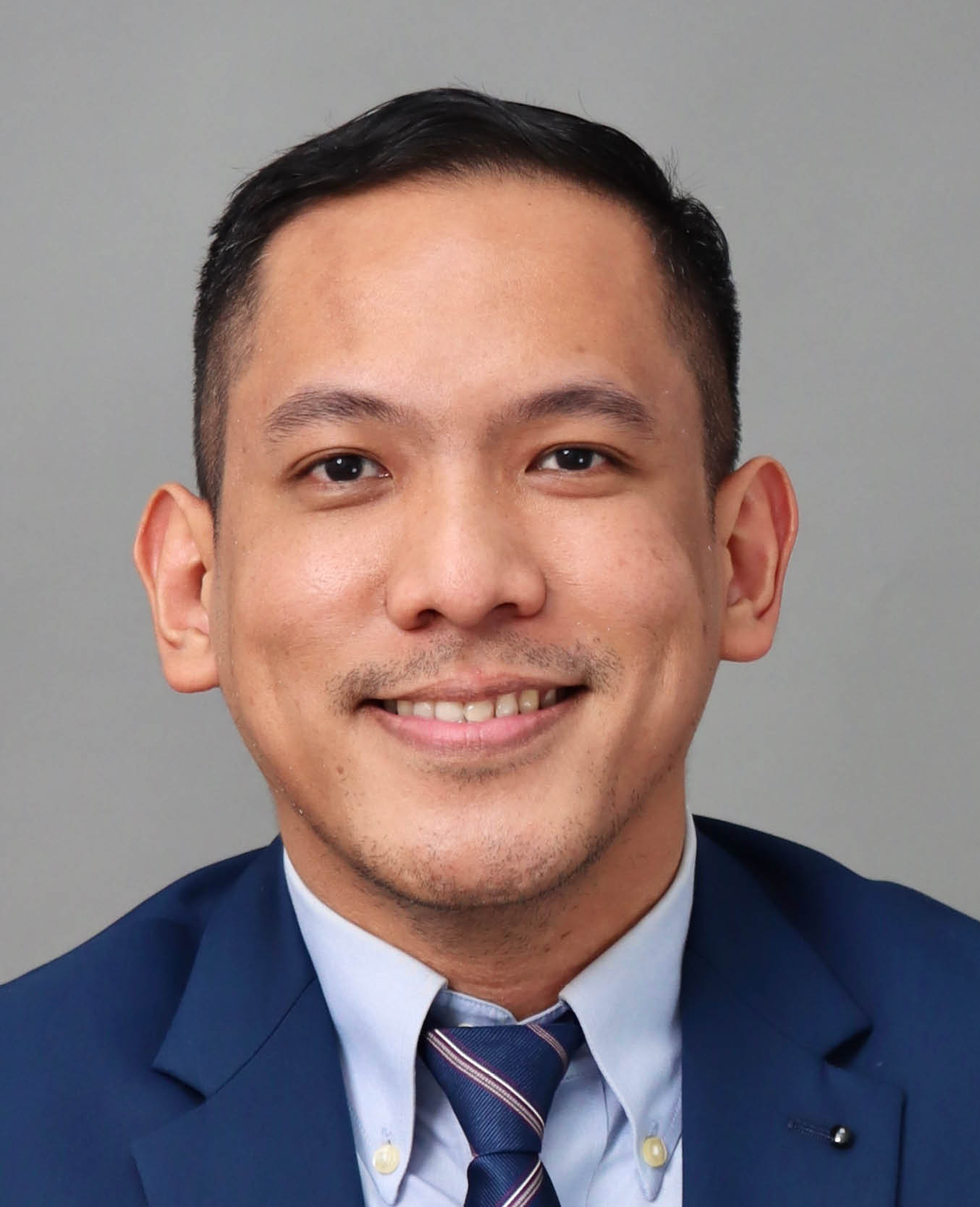
John Emmanuel Rivera Torio, M.D., is Chief Resident in the Section of Neurosurgery at the University of the East Ramon Magsaysay Memorial Medical Center (UERM) in Manila, Philippines. Training in a low- and middle-income country (LMIC) has shaped his commitment to improving access to specialized neurosurgical care, particularly for patients with cerebrovascular disease.
Dr. Torio’s clinical and research interests focus on cerebrovascular and endovascular neurosurgery, with particular emphasis on intracranial aneurysms, stroke, and global disparities in neurovascular care. Through research and international collaborations, he seeks to better understand how differences in healthcare systems influence patient outcomes and how evidence-based practices can be adapted to resource-limited settings. His goal is to advance equitable access to timely, high-quality aneurysm and stroke care while contributing to the growth of cerebrovascular neurosurgery in the Philippines and other underserved regions.
John Emmanuel Rivera Torio, M.D., is from the Philippines and earned his medical degree at the University of the East Ramon Magsaysay Memorial Medical Center (UERM) in Manila, where he is completing his final year of neurosurgical training. During residency, he developed a strong interest in cerebrovascular neurosurgery after caring for patients with ruptured aneurysms and stroke, often in settings with limited access to specialized treatment. These experiences inspired his commitment to improving neurovascular care delivery and reducing disparities in patient outcomes.
More recently, Dr. Torio collaborated with Christopher Ogilvy at Beth Israel Deaconess Medical Center through a CNS Foundation Scholarship. This experience further strengthened his dedication to advancing aneurysm care through research, education, and international collaboration.
What led you to become involved with brain aneurysm research?
As a neurosurgery resident in the Philippines, I frequently care for patients with ruptured brain aneurysms, many of whom arrive only after a life-changing hemorrhage has occurred. In a resource-limited setting, delays in diagnosis, referral, and access to specialized treatment can have a profound impact on outcomes. Seeing these challenges firsthand made me realize that the consequences of a brain aneurysm are often influenced not only by the disease itself, but also by the healthcare system. Those experiences sparked my interest in brain aneurysm research and in understanding why outcomes differ across healthcare settings. My collaboration with Dr. Christopher Ogilvy and the team at Beth Israel Deaconess Medical Center further reinforced the importance of research in identifying practical ways to improve care and reduce preventable deaths and disabilities from brain aneurysms.
In the simplest terms, what is the purpose of your project?
The purpose of our project is to understand how differences in healthcare systems affect the treatment and outcomes of patients with brain aneurysms. By comparing patients treated in the United States and the Philippines, we hope to identify factors that contribute to delays in care, differences in treatment options, and variations in outcomes. Ultimately, the goal is to learn what works best and how those lessons can be applied to improve care for patients everywhere.
In the simplest terms, what do you hope will change through your research findings?
I hope our findings help reduce preventable deaths and disabilities from brain aneurysms by identifying barriers to timely and effective treatment. If we can better understand why some patients experience worse outcomes than others, we can develop strategies to improve access to care, optimize referral systems, and support evidence-based treatment regardless of where a patient lives. My hope is that the research will contribute to more equitable aneurysm care and better outcomes for future patients.
Why is the funding you are receiving through the Brain Aneurysm Foundation so important?
The support from the Brain Aneurysm Foundation is truly meaningful to me. As a neurosurgery trainee in the Philippines, I have cared for many patients whose outcomes were shaped not only by their disease, but also by the resources available to them and the timeliness of their access to care. Those experiences have motivated me to pursue research that can help bridge gaps in aneurysm care and improve outcomes for patients regardless of where they live.
This grant represents much more than financial support. It is an affirmation that this work matters and that the challenges faced by patients in resource-limited settings deserve attention. It provides an opportunity to collaborate with colleagues across institutions and countries, learn from different healthcare systems, and generate evidence that can lead to meaningful improvements in care. I am deeply grateful for the Foundation’s support and hopeful that the findings from this project will contribute, even in a small way, to reducing the burden of brain aneurysms and improving the lives of patients and their families.