

 Brain Aneurysm Foundation
 Hirotaka Sato, MD, PhD
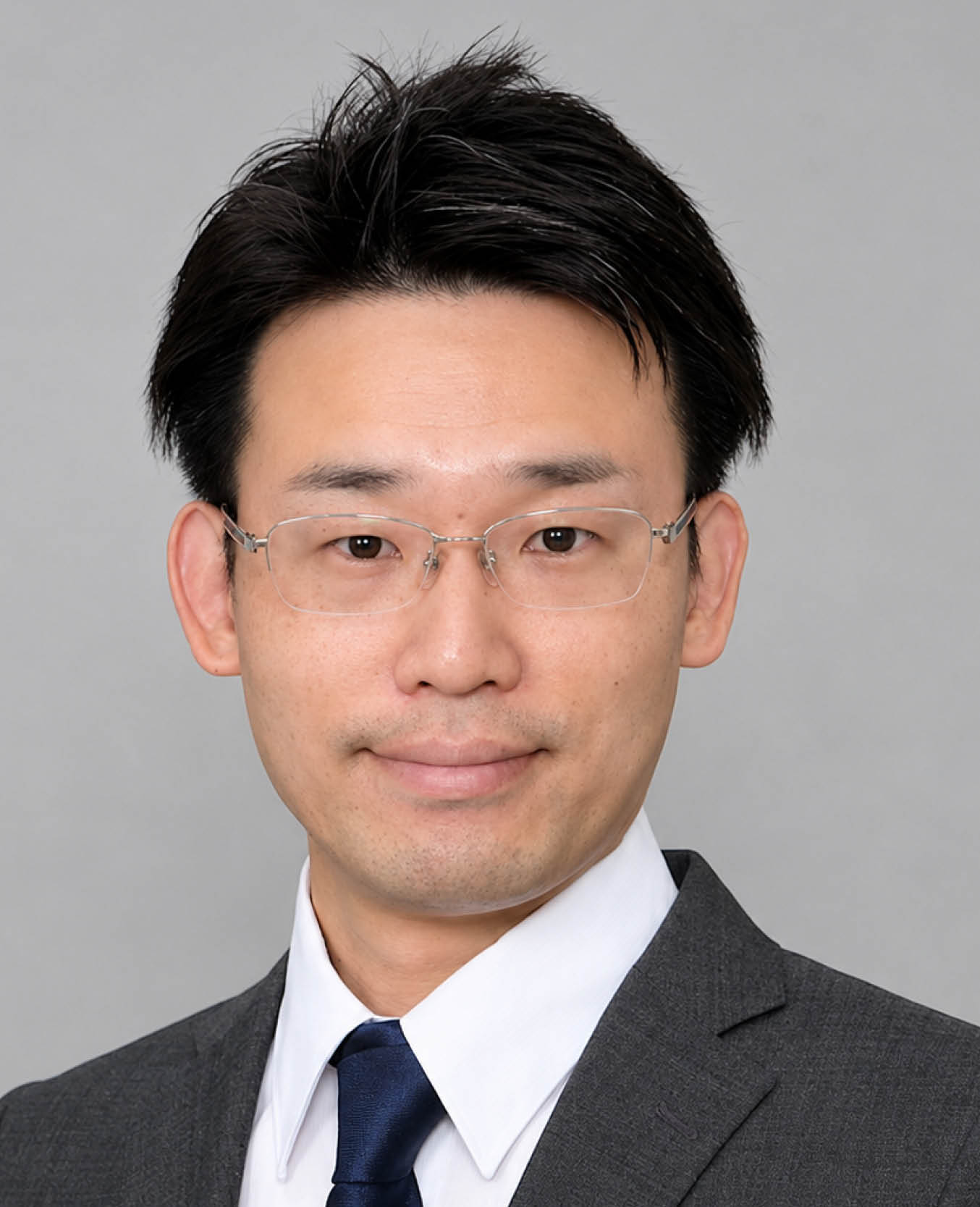
Hirotaka Sato, MD, PhD, is a postdoctoral research fellow at the Barrow Aneurysm and AVM Research Center, Barrow Neurological Institute. He is a neurosurgeon from Japan with clinical and research training in cerebrovascular disease, neuroendovascular therapy, and stroke medicine. His research focuses on the mechanisms of intracranial aneurysm progression and rupture, with the goal of developing novel preventive strategies for aneurysmal subarachnoid hemorrhage. Using animal models and translational approaches, he aims to bridge basic cerebrovascular research with clinical practice to improve outcomes for patients with brain aneurysms.
Hirotaka is originally from Japan and earned his medical degree from Asahikawa Medical University in Hokkaido. He completed his neurosurgical residency training at Asahikawa Medical University and later received a Ph.D. in Neurosurgery from the same institution. Dr. Sato also served as an Assistant Professor in the Department of Neurosurgery at Asahikawa Medical University.
In 2025, he joined the Barrow Aneurysm and AVM Research Center at the Barrow Neurological Institute as a postdoctoral research fellow. His professional background spans clinical neurosurgery, neuroendovascular therapy, stroke medicine, and translational cerebrovascular research, with a focus on advancing the understanding and treatment of complex neurovascular diseases.
What led you to become involved with brain aneurysm research?
As a neurosurgeon, I have treated many patients with brain aneurysms and subarachnoid hemorrhage. I have seen how serious and life-changing these conditions can be, especially when an aneurysm suddenly ruptures. These experiences made me want to better understand why aneurysms rupture and how we can prevent this from happening. I am now studying aneurysm progression and rupture using animal models and molecular research. My goal is to help develop new ways to prevent aneurysm rupture and improve the lives of patients with brain aneurysms.
In the simplest terms, what is the purpose of your project?
The purpose of my project is to understand why some brain aneurysms rupture. We are studying whether an age-related blood condition called CHIP can increase inflammation in the aneurysm wall and make aneurysms more likely to rupture. By using mouse models, we hope to learn how this process happens and whether blocking inflammation can help prevent rupture.
In the simplest terms, what do you hope will change through your research findings?
I hope this research will help us better identify patients who are at higher risk of brain aneurysm rupture. If CHIP is found to play an important role, a simple blood test may help doctors understand rupture risk more accurately. In the future, this could also lead to new treatments that reduce inflammation and prevent aneurysms from rupturing.
Why is the funding you are receiving through the Brain Aneurysm Foundation so important?
This funding is very important because it allows us to test a new idea about why brain aneurysms rupture. Aneurysm rupture can cause subarachnoid hemorrhage, which is often devastating. With support from the Brain Aneurysm Foundation, we can use animal models to study the link between CHIP, inflammation, and aneurysm rupture. This support may help us find new biomarkers and treatment targets to prevent rupture before it happens.