

 Brain Aneurysm Foundation
 Hiroki Kobayashi, MD, PhD
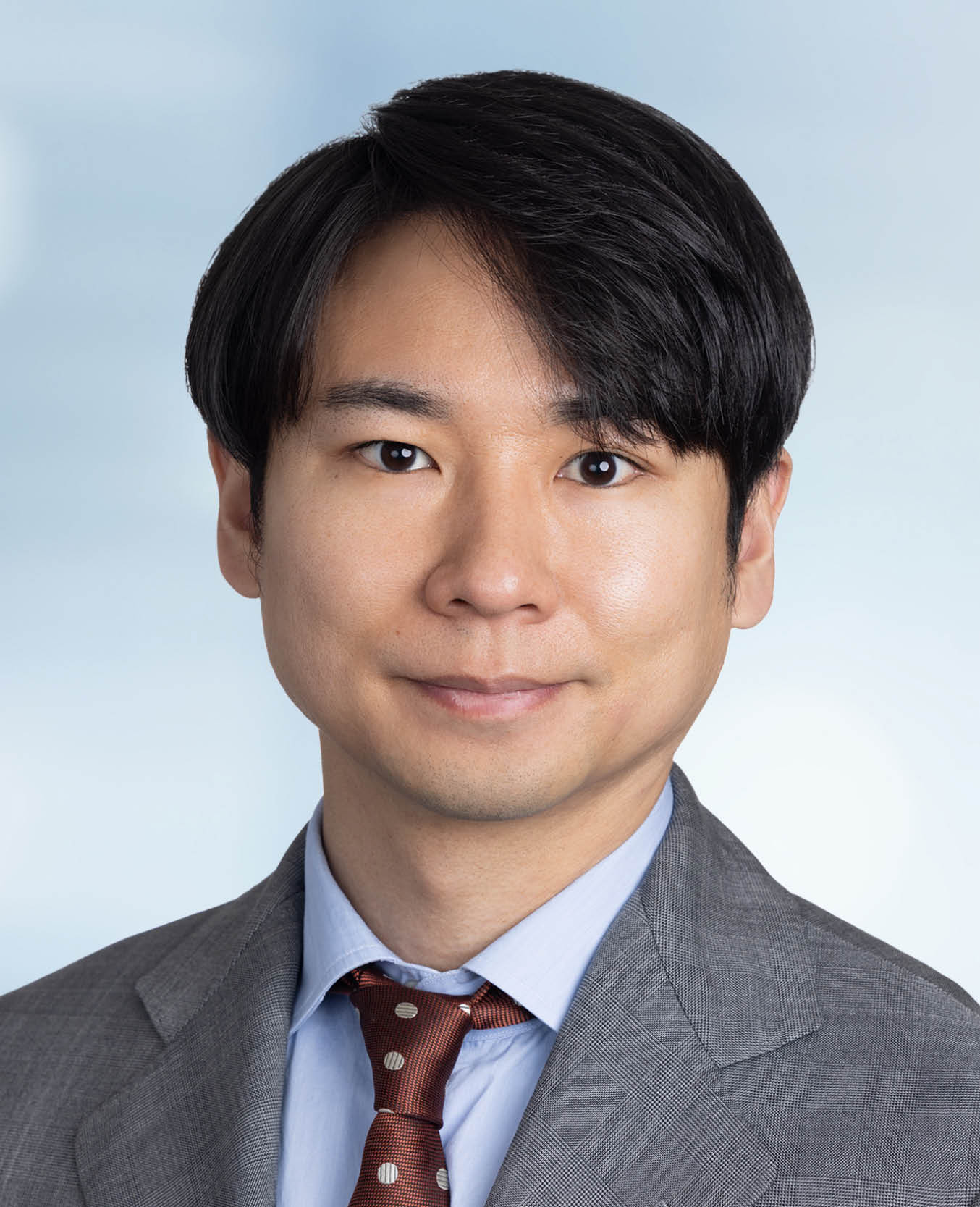
Hiroki Kobayashi, MD, PhD, is a postdoctoral research fellow at the Barrow Aneurysm and AVM Research Center, Barrow Neurological Institute. He trained as a neurosurgeon in Japan and has clinical experience in both open cerebrovascular surgery and neuroendovascular treatment for patients with intracranial aneurysms and subarachnoid hemorrhage. He earned his MD from Kagoshima University and completed neurosurgical training at Saitama Medical University and the National Cerebral and Cardiovascular Center, followed by a PhD in neurosurgery at Saitama Medical University. His research focuses on the mechanisms of intracranial aneurysm formation and rupture, with the goal of developing non-surgical preventive strategies. His work includes computational fluid dynamics studies of aneurysm rupture risk, vascular smooth muscle cell biology, and translational studies using mouse models of aneurysm rupture. He is currently investigating periostin-expressing activated fibroblasts as a potential therapeutic target for brain aneurysms.
Hiroki is originally from Japan, where he completed his medical education and neurosurgical training. He earned his medical degree from Kagoshima University School of Medicine and completed neurosurgical training at Saitama Medical University and the National Cerebral and Cardiovascular Center. He later received his Ph.D. in Neurosurgery from Saitama Medical University.
During his clinical training, Dr. Kobayashi treated patients with both unruptured and ruptured brain aneurysms using open surgical and endovascular techniques. These experiences sparked his interest in understanding the mechanisms underlying aneurysm formation and rupture. Since August 2025, he has served as a postdoctoral research fellow at the Barrow Aneurysm and AVM Research Center at Barrow Neurological Institute, where his research focuses on the biology of brain aneurysms through experimental models and translational approaches.
What led you to become involved with brain aneurysm research?
As a neurosurgeon, I have cared for many patients with subarachnoid hemorrhage caused by ruptured brain aneurysms. Even when surgery or endovascular treatment is successful, patients can suffer from severe disability or sudden death. I also saw patients with unruptured aneurysms who faced difficult decisions because we still cannot reliably predict which aneurysms will rupture. These clinical experiences made me realize that treating aneurysms after they are found is not enough. We need a better understanding of the biological mechanisms that cause aneurysms to grow and rupture, so that we can develop non-surgical strategies to prevent rupture before it happens. This motivated me to move from purely clinical work into basic and translational aneurysm research.
In the simplest terms, what is the purpose of your project?
The purpose of this project is to understand whether a protein called periostin helps brain aneurysms form and worsen. Our preliminary data suggest that a specific group of activated cells, called periostin-expressing activated fibroblasts, is increased in brain aneurysm tissue. These cells may promote inflammation and weaken the blood vessel wall by changing the structure around the vessel. In this project, we will test whether removing periostin-expressing cells or blocking periostin with an antibody can reduce aneurysm formation in a mouse model. We will also study where these periostin-expressing cells come from. In simple terms, we want to know whether periostin is one of the drivers of brain aneurysm development and whether targeting it could become a new treatment strategy.
In the simplest terms, what do you hope will change through your research findings?
I hope this research will help shift brain aneurysm care from treatment after an aneurysm is discovered or ruptures toward prevention. Currently, there is no approved medication that can stop a brain aneurysm from forming, growing, or rupturing. Patients often must choose between observation and invasive procedures such as surgery or endovascular treatment. If our study shows that periostin plays an important role in aneurysm development, it may identify a new drug target for preventing aneurysm progression. Ultimately, I hope this work will contribute to the development of a safe medical therapy that reduces the need for invasive treatment and lowers the risk of devastating subarachnoid hemorrhage.
Why is the funding you are receiving through the Brain Aneurysm Foundation so important?
This funding from the Brain Aneurysm Foundation is extremely important because it allows us to test a new idea that could lead to a non-surgical treatment for brain aneurysms. The award will support animal experiments, periostin-targeted treatment studies, histological and molecular analyses, and single-cell RNA sequencing to identify the cells involved in aneurysm formation. These experiments are essential for determining whether periostin is not only a marker of aneurysm disease but also a driver of vessel wall inflammation and remodeling. The support also helps me develop as an early-career investigator focused on translational brain aneurysm research. Most importantly, this funding provides the foundation for future larger studies aimed at developing medical therapies to prevent aneurysm rupture and improve outcomes for patients and families affected by brain aneurysms.