

 Brain Aneurysm Foundation
 Elizabeth Crago, PhD, MSN, RN, CEN, FCCM
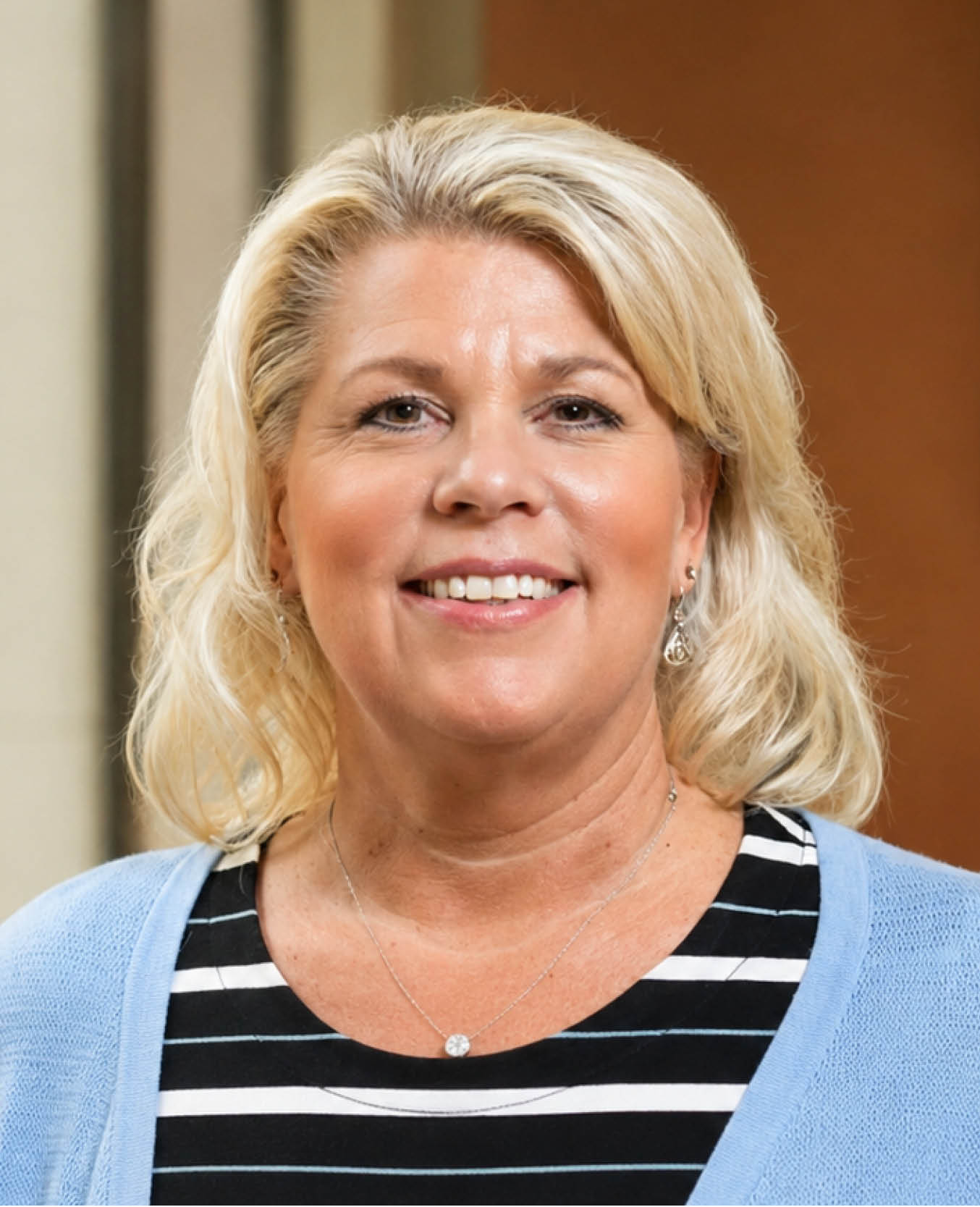
Dr. Elizabeth Crago is an Associate Professor of Nursing and Neurosurgery at the University of Pittsburgh, where she combines expertise in critical care and emergency medicine with a dedication to improving outcomes for patients with neurological disorders. Her research focuses on the role of hormones in physical and cognitive recovery following aneurysmal subarachnoid hemorrhage (aSAH), with the goal of enhancing risk stratification and developing targeted therapies. Supported by pilot funding and grants from the National Institutes of Health (NIH), Dr. Crago’s work was among the first to investigate the influence of estrogen on injury and recovery after aSAH, demonstrating important associations between estrogen, androgen, and IGF-1 levels and patient survival, long-term outcomes, and distinct hormonal profiles compared with healthy individuals. Her current research explores the relationship between hormones and inflammation as a key mechanistic pathway in recovery after aSAH. In addition to contributing to multiple NIH-funded multidisciplinary research teams, Dr. Crago developed and oversees a large biorepository and longitudinal aSAH database that serves as a valuable resource for ongoing and future research initiatives.
Dr. Elizabeth Crago is a native of western Pennsylvania and has dedicated more than four decades to nursing, with extensive experience in intensive care and emergency medicine. Beginning her career through a diploma nursing program, she advanced her education while continuing to work and lead at the bedside, earning both her Bachelor of Science in Nursing (BSN) and Master of Science in Nursing (MSN). Twenty-six years ago, she launched her research career at the University of Pittsburgh as a project director on studies examining outcomes in patients with traumatic brain injury and subarachnoid hemorrhage. This work inspired a lifelong commitment to improving the lives of individuals affected by subarachnoid hemorrhage and motivated her to pursue a PhD in Nursing at the University of Pittsburgh School of Nursing. Today, Dr. Crago leads her own research program while collaborating with multidisciplinary teams focused on advancing care and outcomes for patients with aneurysmal subarachnoid hemorrhage and other neurological injuries. She is also passionate about mentoring the next generation of scientists and fostering collaboration through the sharing of research data. Outside of her professional work, Dr. Crago enjoys spending time with her husband, their son and daughter, and five grandchildren.
What led you to become involved with brain aneurysm research?
When I accepted a position as a research associate at the University of Pittsburgh, I had only limited knowledge of brain aneurysms and subarachnoid hemorrhage (SAH), having cared for just a few individuals during my time as a clinical nurse. At the time, the department was running two studies — one in traumatic brain injury (TBI) and one in SAH — and I was assigned to the SAH study. That assignment led to years of work that went far beyond data collection. I spent countless hours talking with hundreds of aSAH patients and their families, as well as with the staff caring for them. Along the way, it became my passion to make a real difference in the lives of these individuals — and to help educate staff so they can provide the best possible care.
In the simplest terms, what is the purpose of your project?
This study will help us understand three things: how inflammation and hormones are connected after aSAH, whether they’re linked to complications in the early days after injury, and whether they can help predict how well a patient will be doing two months later. What we learn will lay the groundwork for larger studies aimed at identifying patients most at risk and developing new treatments to improve recovery.
In the simplest terms, what do you hope will change through your research findings?
I want to improve outcomes and ease the burden of symptoms for patients recovering from a ruptured brain aneurysm (aSAH). My research looks at how inflammation and hormone levels in the body interact after this type of brain injury, and whether that interaction can help explain why some patients recover better than others — or whether certain interventions could improve outcomes and ease persistent symptoms.
Why is the funding you are receiving through the Brain Aneurysm Foundation so important?
This important funding opportunity will allow our team to generate a longitudinal database of inflammatory and neuroendocrine biomarkers in 30 aSAH patients, integrated with clinical outcomes to define temporal patterns and their associations with acute complications (DCI, CV) and 2-month functional recovery after aSAH. These data will inform future studies of additional hormonal pathways (e.g., progesterone, androstenedione), genomic mechanisms, and a broader range of clinical outcomes, including cardiac complications, cerebral edema, intracranial pressure, and cognitive and behavioral sequelae (e.g., anxiety, depression, and fatigue). Importantly, this work will provide critical preliminary data to support larger, potentially multicenter studies and advance the development of biomarker-driven, personalized interventions to improve outcomes after aSAH.