

 Brain Aneurysm Foundation
 Devin McBride, Ph.D.
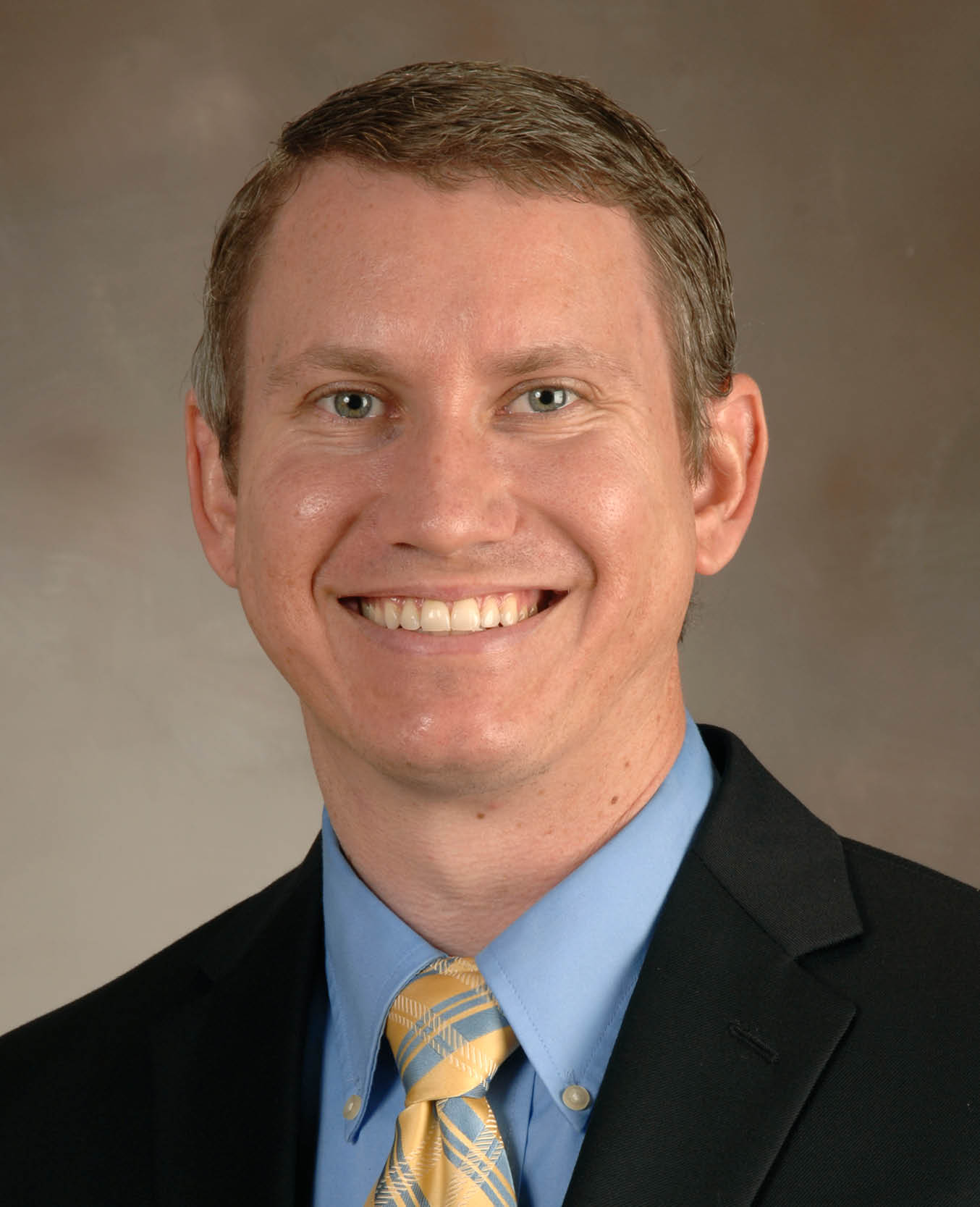
The research in Dr. McBride’s lab is focused on understanding the pathophysiology of subarachnoid hemorrhage (SAH), particularly focusing on delayed cerebral ischemia (DCI). Delayed cerebral ischemia after SAH is a critical factor in the poor prognosis of surviving patients, and currently we still do not fully understand the mechanisms causing DCI. The McBride lab is using live imaging to understand the cerebrovascular dynamics as they are related to ensuing injury subsequent to SAH. Additionally, we are identifying novel therapeutic targets and developing strategies aimed at attenuating DCI following SAH. The McBride lab is funded by an NIH R01 and grants from the Brain Aneurysm Foundation.
Dr. McBride is collaborating with Dr. Spiros Blackburn to identify biomarkers of DCI post-SAH. The goal of this work is to investigate markers of coagulation and inflammation to determine which patients are at high risk for developing DCI and poor outcome after SAH. This work will also elucidate novel therapeutic targets for preventing DCI.
Dr. McBride received his Ph.D. from the University of California Riverside under the mentorship of Dr. Victor G. J. Rodgers where his research focused on understanding the phenomena of crowded protein osmotic pressure and its applications to medical devices. During his Ph.D., he received a number of Fellowships, including an NSF IGERT Fellowship in Video Bioinformatics and a DOE GAANN Fellowship. His postdoctoral training occurred under the tutelage of Dr. John H. Zhang at Loma Linda University where he studied translational neuroscience research with an emphasis on cerebrovascular disease.
In 2017, Dr. McBride joined the Vivian L. Smith Department of Neurosurgery as an Assistant Professor where he has been investigating the potential therapeutic benefits of preventing micro-clots after subarachnoid hemorrhage. He research has been funded by grants from the Brain Aneurysm Foundation, the National Institutes of Health, and industry.
What led you to become involved with brain aneurysm research?
My postdoctoral training in translation research related to cerebrovascular disease led me to become interested in secondary injuries following stroke. I transitioned into the field of brain aneurysm and subarachnoid hemorrhage when I began my faculty appointment at UTHealth. I am intrigued by the secondary injury after subarachnoid hemorrhage and am utilizing my expertise to uncouple the mechanisms of delayed injury after subarachnoid hemorrhage, as well as investigate novel treatments.
In the simplest terms, what is the purpose of your project?
This project aims to understand what causes dementia after subarachnoid hemorrhage. Researchers believe that inflammation and tiny blood clots may block blood flow in the brain, contributing to long-term damage. By studying these processes and testing treatments that break down the clots.
In the simplest terms, what do you hope will change through your research findings?
My hope is that my research can identify treatment targets which can improve patient outcome.
Why is the funding you are receiving through the Brain Aneurysm Foundation so important?
Funding from the BAF is crucial to examine therapeutic targets that are not suitable for funding by federal mechanisms. Funding by the BAF allows me to repurpose drugs from other diseases and test them for benefits to animals with subarachnoid hemorrhage.