

 Brain Aneurysm Foundation
 Christian Lopez Blanco, BS
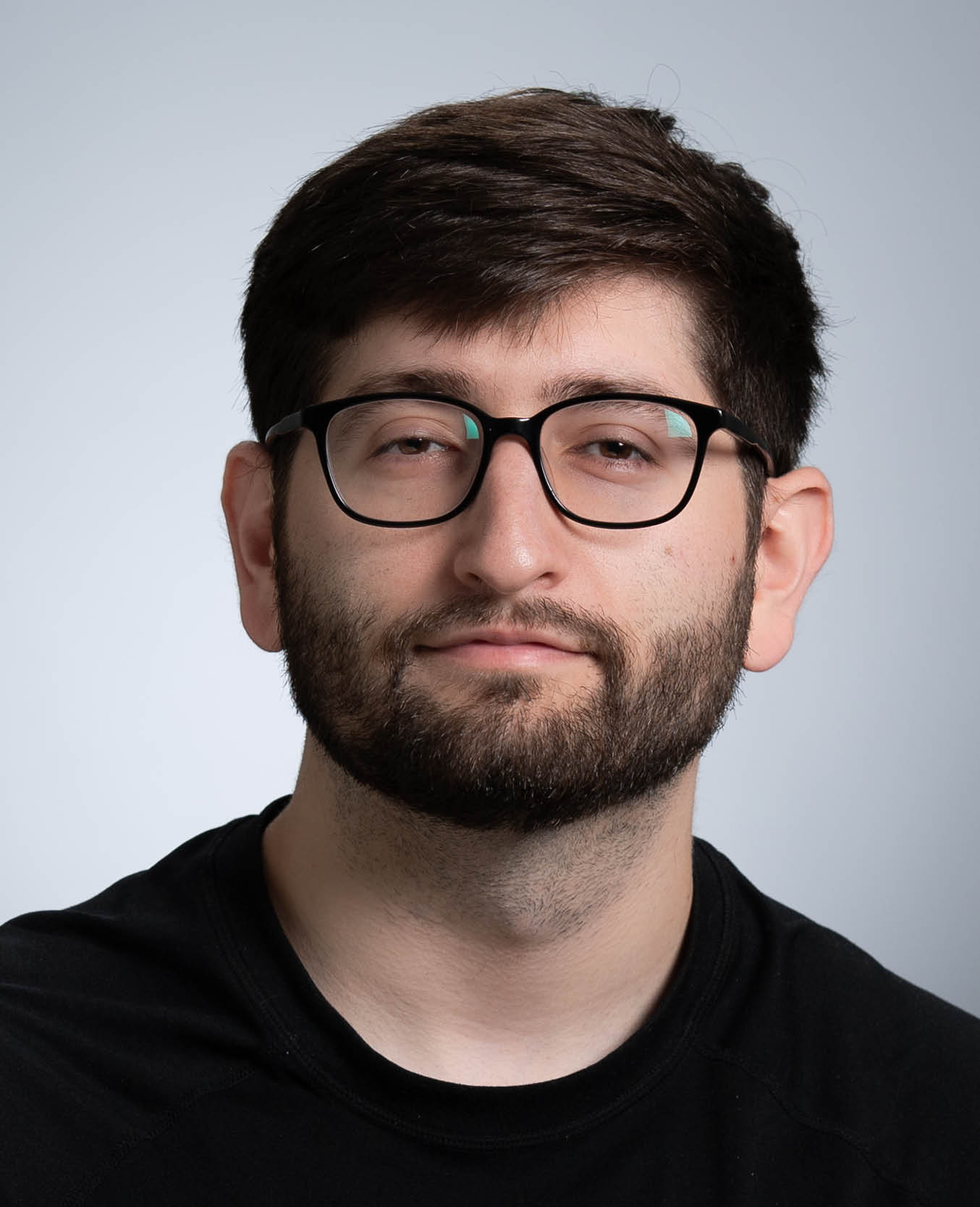
Christian Lopez Blanco, B.S., is a Ph.D. candidate in Neuroengineering at the University of Alabama at Birmingham. He plays a central role in NERVA (Neuromodulation to Evaluate and Reduce Vasospasm After Aneurysmal Subarachnoid Hemorrhage), an NIH Blueprint MedTech-funded clinical trial evaluating two neuromodulation approaches—transcutaneous auricular vagus nerve stimulation and cervical spinal cord stimulation—for the prevention of cerebral vasospasm following aneurysmal subarachnoid hemorrhage. Working closely with the trial’s neurosurgery, neurointervention, and immunology teams, he helps advance the study through all phases, from regulatory approval and patient enrollment to data analysis. His work lies at the intersection of clinical neuroscience, device engineering, and translational research.
Christian grew up across the southern United States, including Kentucky, Tennessee, and Alabama, as the son of an Army veteran. Frequent moves and early exposure to the challenges faced by veterans and their families affected by neurological injury and disability helped shape his interest in neuroscience and healthcare. He earned his B.S. in Neuroscience from the University of Alabama at Birmingham, where he studied from 2017 to 2021, and remained at UAB to pursue a Ph.D. in Neuroengineering. His doctoral research focuses on noninvasive neuromodulation and its applications in clinical neuroscience.
What led you to become involved with brain aneurysm research?
As the son of an Army veteran, I grew up around the lasting impact of neurological injury and disability, which sparked my early interest in working with people facing neurological conditions. That interest carried me into neuroscience and eventually neuroengineering, where I focused on noninvasive neuromodulation. Brain aneurysm research became a natural extension of that path: vasospasm after aneurysmal subarachnoid hemorrhage is a major, under-addressed cause of secondary brain injury, and it sits squarely at the intersection of the neuromodulation work I was already doing and the population I’d long wanted to help.
In the simplest terms, what is the purpose of your project?
My project tests two non-invasive and minimally invasive ways to stimulate the nervous system, one applied at the ear and one applied near the spine, to see which one better prevents the dangerous narrowing of brain blood vessels (vasospasm) that often follows a ruptured brain aneurysm. Right now, vasospasm is one of the leading causes of stroke and death after this kind of bleed, and current treatments are limited. My goal is to find a safer, more effective way to protect the brain in the days after a rupture.
In the simplest terms, what do you hope will change through your research findings?
I hope this research shows that neuromodulation, stimulating the nervous system itself rather than treating the blood vessels directly, can prevent vasospasm before it starts. If either approach works, it could become a new standard of care that reduces strokes, shortens ICU stays, and improves long-term recovery for the thousands of patients who survive a ruptured brain aneurysm each year.
Why is the funding you are receiving through the Brain Aneurysm Foundation so important?
BAF funding lets me move this work forward at a critical stage, bridging the gap between early device development and full clinical enrollment. Federal funding mechanisms like our NIH Blueprint MedTech award are powerful but rigid; BAF support gives me the flexibility to address regulatory deficiencies, refine the protocol, and keep enrollment on track without losing momentum. Just as importantly, it connects me to the broader aneurysm survivor and family community, which keeps the human stakes of this work front and center.