

 Brain Aneurysm Foundation
 Andres Gudino, MD
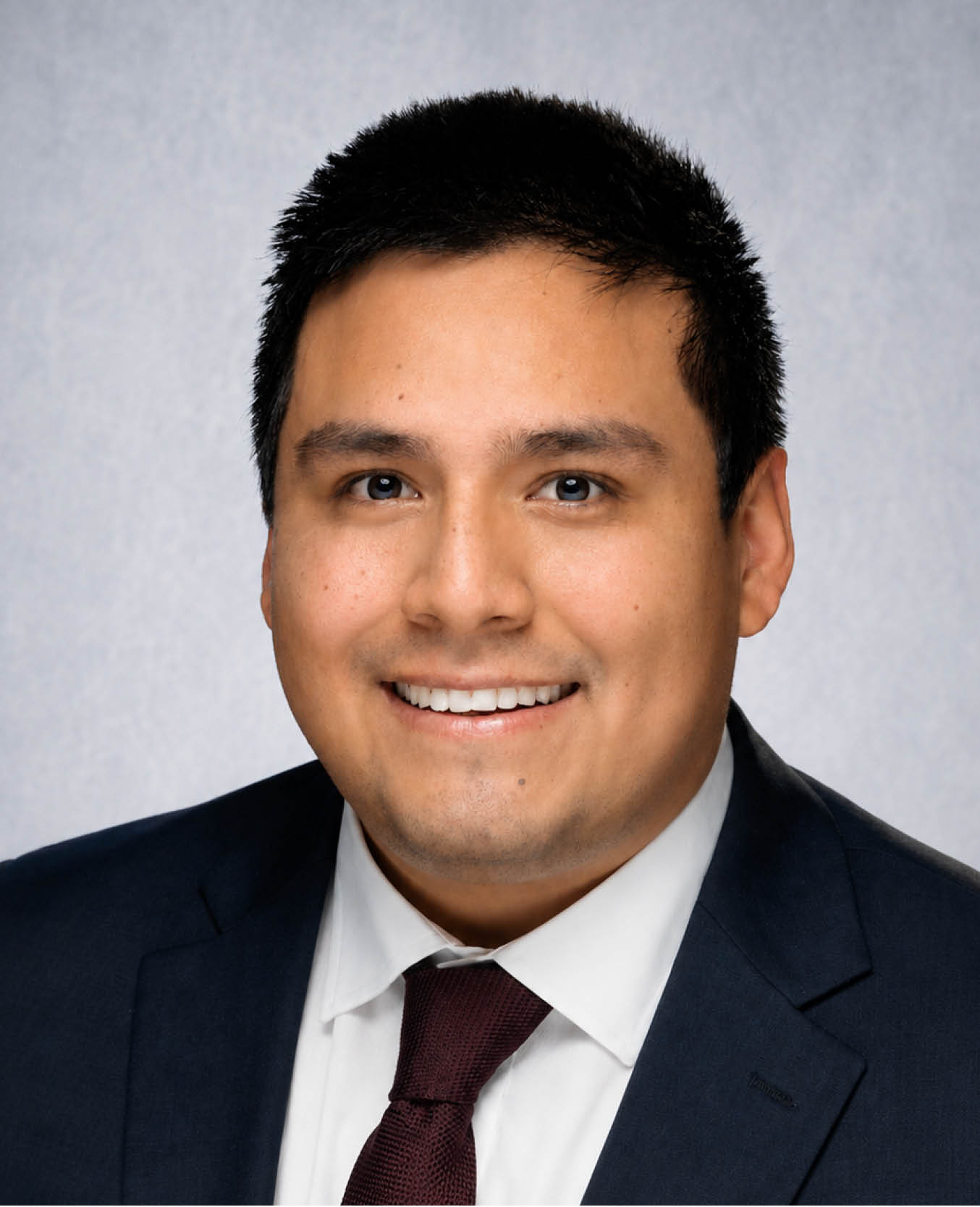
Andres Gudino, MD, is a physician originally from Guayaquil, Ecuador. After graduating from medical school, he completed a two-year research fellowship at the University of Iowa under the mentorship of Dr. Edgar Samaniego, where he focused on brain aneurysms and translational research. He subsequently matched at the University of Oklahoma, where he is pursuing residency training in Neurology. Dr. Gudino’s long-term goal is to complete fellowship training in Neurocritical Care followed by Endovascular Neurosurgery. His research interests include intracranial aneurysms and the development of non-invasive tools for aneurysm risk stratification.
Andres was born in Guayaquil, Ecuador’s largest port city. After completing high school, he moved to Quito, where he earned his medical degree from Universidad San Francisco de Quito. Following graduation, he pursued a research fellowship at the University of Iowa, focusing on brain aneurysm research, before beginning his Neurology residency training at the University of Oklahoma, where he is currently completing his clinical training.
What led you to become involved with brain aneurysm research?
I became involved in brain aneurysm research because I was moved by how much we still do not know about this disease. An aneurysm can remain silent for years, but when it ruptures, it can change everything for a patient and their family in an instant. At the same time, meeting survivors and families affected by brain aneurysms has been deeply inspiring. Their strength and advocacy remind me that this work is meaningful and that our research has a purpose.
In the simplest terms, what is the purpose of your project?
Some brain aneurysms may be more likely to rupture because their wall is inflamed. However, it is not possible to see this inflammation clearly without studying the tissue directly. In this project, we will study aneurysm tissue from donors and image these aneurysms to identify markers of inflammation on imaging. Our goal is to find imaging signs of inflammation that may help doctors identify aneurysms that are more likely to rupture.
In the simplest terms, what do you hope will change through your research findings?
Through this research, we hope we can move closer to identifying dangerous aneurysms before they rupture. Ultimately, the goal is to improve how physicians assess aneurysms, so patients can receive a personalized care and treatment decisions can be made earlier.
Why is the funding you are receiving through the Brain Aneurysm Foundation so important?
The funding provided by the BAF will directly support the essential parts of our project, including magnetic resonance imaging, tissue processing, and histological analysis of donor aneurysm tissue. Beyond the financial support, being a BAF grantee is especially meaningful because it connects our research to a larger community of survivors, families, advocates, and scientists who are all working toward the same goal of better understanding brain aneurysms.