

 Brain Aneurysm Foundation
 Tammy’s Story
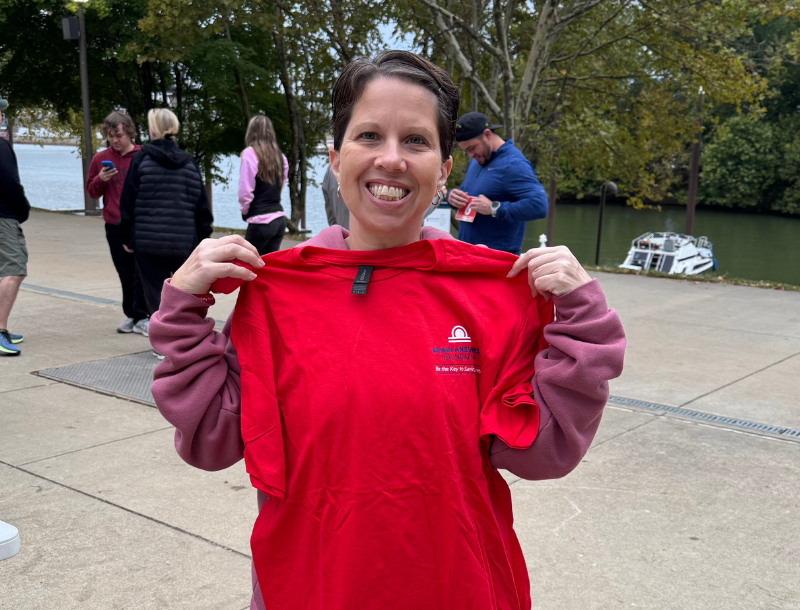
On November 10, 2023, I was with my daughter at her riding lessons. I had felt completely fine that morning and had even had one of the best workouts I’d had in a while, lifting heavier than usual.
Around 10 a.m., I started feeling lightheaded and just not like myself. I became really weak and developed a headache, but honestly, it didn’t feel like the “thunderclap headache” people always talk about. What I do remember most was the worst stiff neck I’ve ever had — I could barely move. At one point, I even sat down in the dirt in the middle of the barn because I felt so weak.
Luckily, one of the workers cleaning stalls noticed something was wrong. I told her how strange I felt. I’m actually a respiratory therapist, and part of me wondered if I could be having a bleed, but I didn’t want to sound paranoid. After about 30 minutes, she convinced me to go to the ER near the town we were in, and she called my husband to let him know.
She drove me to the ER, and they actually took me back right away, which shocked me because I didn’t have to wait.
The ER doctor initially thought it was a migraine or tension headache, but I kept explaining that I never get headaches like that and that something felt very wrong. He performed neurological exams, and I passed all of them. I understand they have protocols they have to follow, especially for insurance purposes. Eventually, I started vomiting, and he decided to order a CT scan.
About an hour later, my husband said the doctor came into the room looking pale as a ghost. He told us I had a subarachnoid hemorrhage (SAH) and that I was being transferred to the larger hospital in Louisville — ironically, the same hospital where I work. Honestly, I don’t think it fully registered what was happening because I was in complete shock.
I remember being transported to the ICU, but after that, the next three weeks are mostly a blur. Most of what I know comes from stories told by my coworkers, family, and friends.
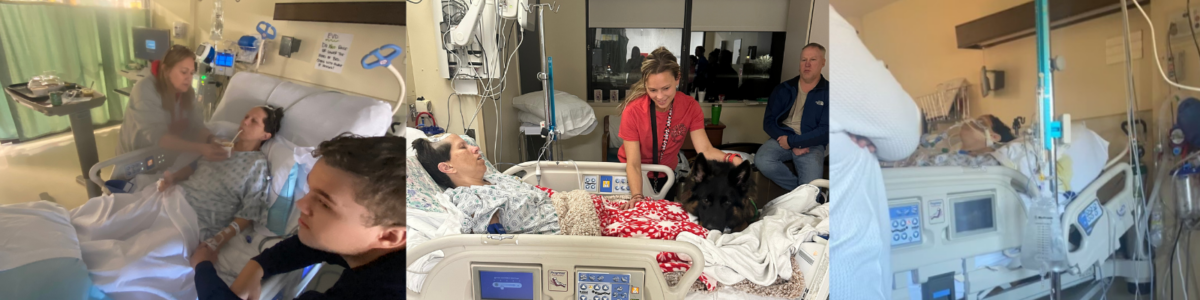
The following day, I apparently took a turn for the worse. I developed hydrocephalus, my intracranial pressure increased, and I began having vasospasms. The doctors had serious conversations with my husband about my chances of survival. I had to be placed on a ventilator for a day. My daughter later showed me pictures, and looking back at them, I saw that I even had to be restrained because I kept trying to pull everything out — including my feeding tube, which I apparently succeeded in pulling out.
Between the brain bleed and all the medications, I was told I said and did a lot of things that weren’t like me at all, though I don’t remember any of it.
As I slowly recovered and moved to the regular floor before discharge, I remember having the worst headaches of my life. Even the slightest smell would trigger intense pain.
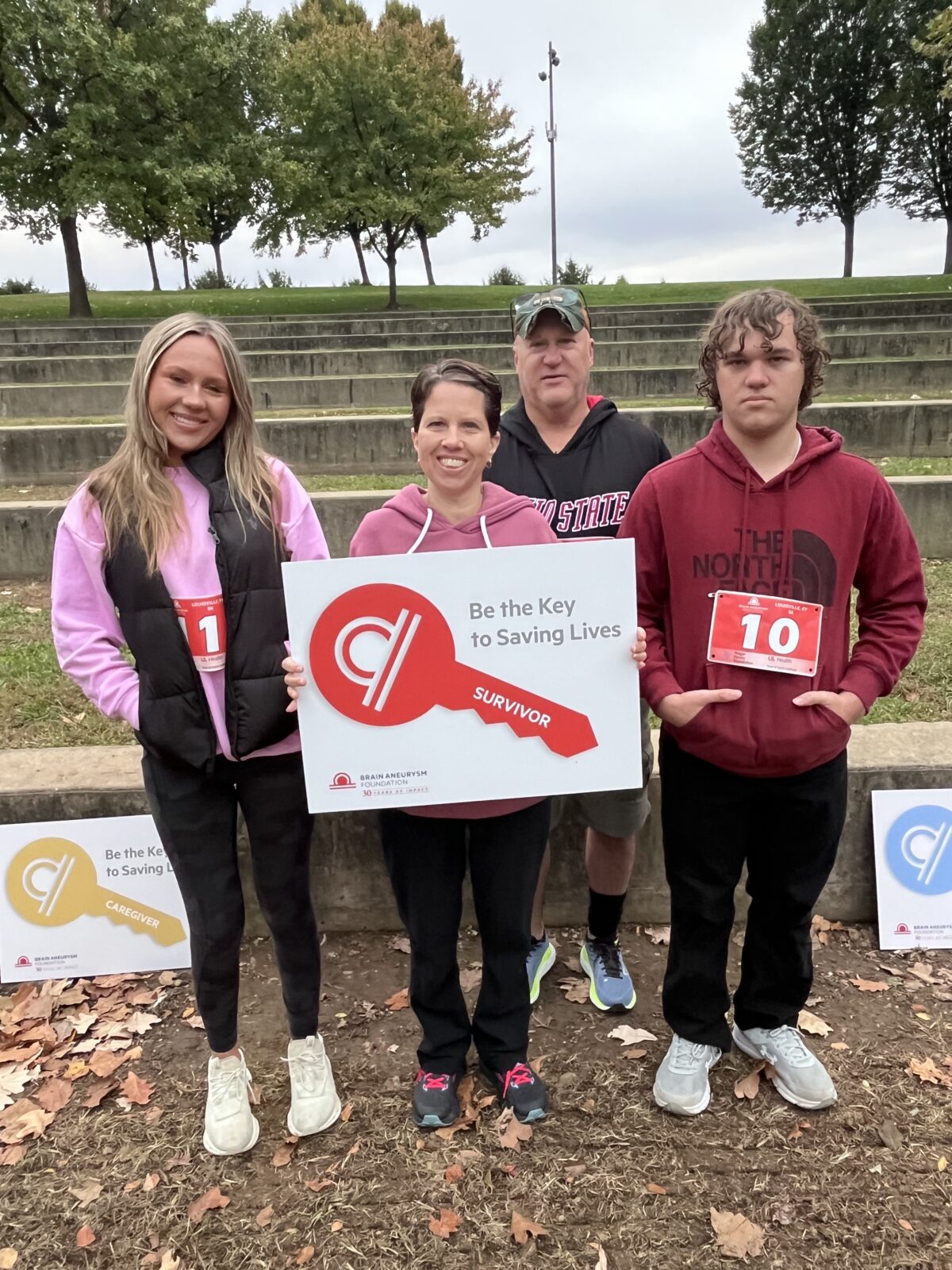
Once I got home, I realized just how long recovery would be. I constantly wondered if I would ever be able to return to work.
Twelve weeks after my rupture, I slowly returned to work because I didn’t want to have to depend on disability — if I even qualified for it. Thankfully, my workplace was incredibly supportive. I started with four-hour shifts a few days a week, then gradually moved to eight-hour shifts, and eventually worked my way back to twelve-hour shifts. After about a year, I was finally back full-time.
One thing I wish I had done differently was seek help mentally and emotionally sooner. I never expected to struggle with PTSD and anxiety afterward, especially since I don’t even remember most of what happened.
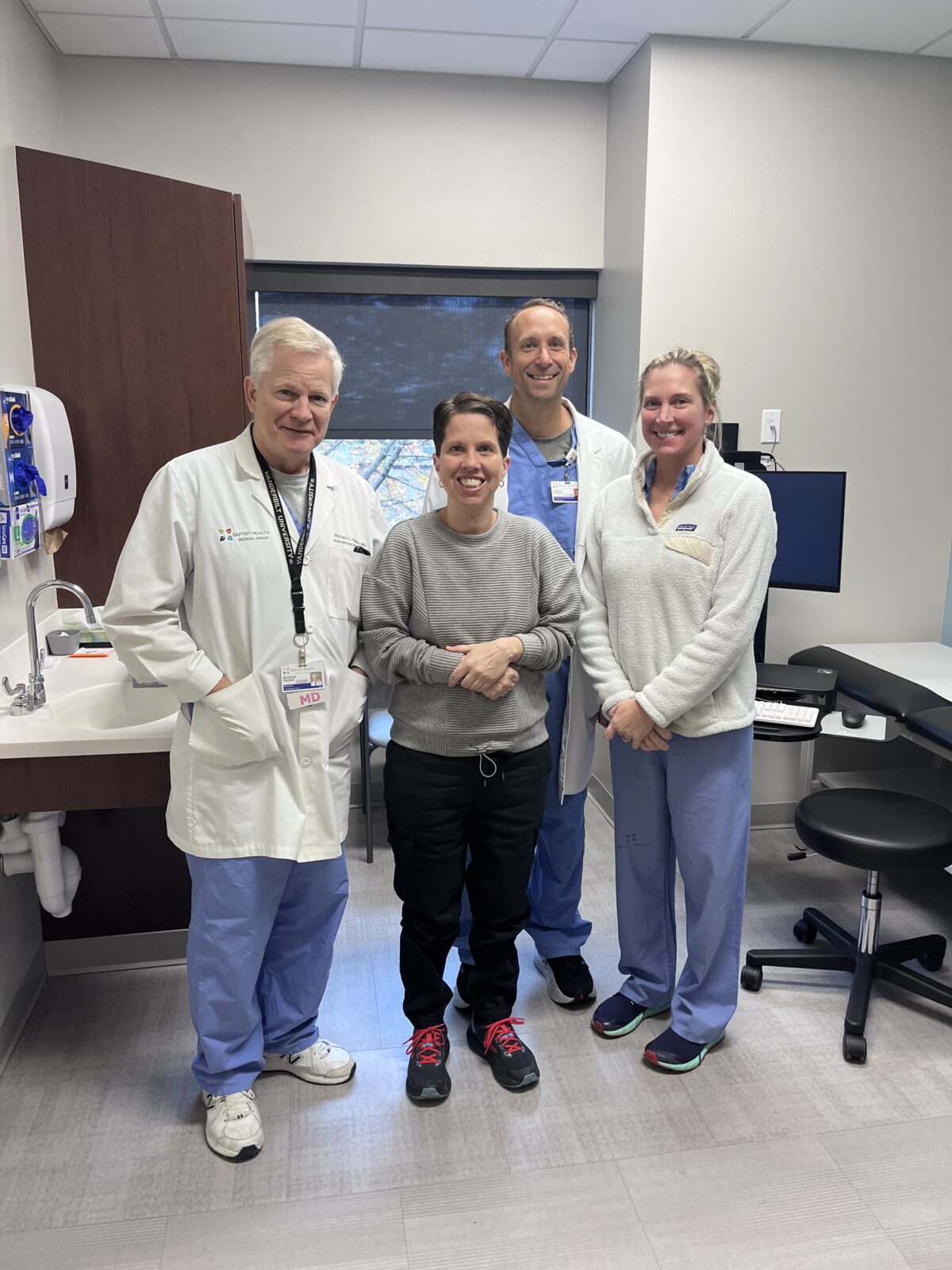
I am so incredibly thankful for my family, friends, coworkers, and the healthcare team who cared for me — especially my neurosurgeons and intensivists.