

 Brain Aneurysm Foundation
 Jessica’s Story
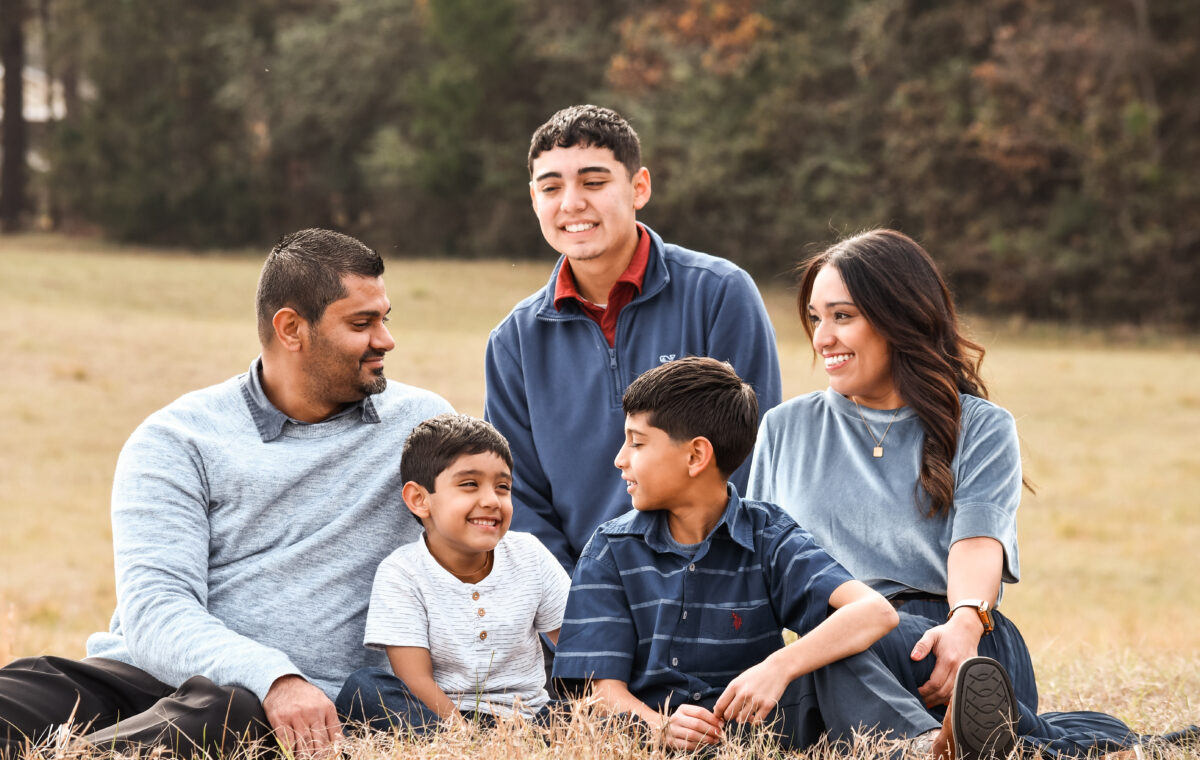
I am a 39-year-old mother of three wonderful boys, a wife of 10 years, and a family nurse practitioner. Like many women—and many caregivers—I am used to putting others first. When symptoms began, I brushed them off as “just a headache” and pushed myself to keep going. That decision nearly cost me my life.
Over several days, I experienced increasing confusion, dizziness, visual blurriness, nausea, left-sided neck and eye pain, eyelid drooping with eye redness, and the worst headache I had ever felt. The day before I was admitted to the hospital, I experienced an overwhelming fatigue unlike anything I had known before. As someone who is constantly on the move—balancing family, work, and community service—I knew something wasn’t right. I took the day off, slept most of the day in a recliner, and slept through the night, which was very unlike me.
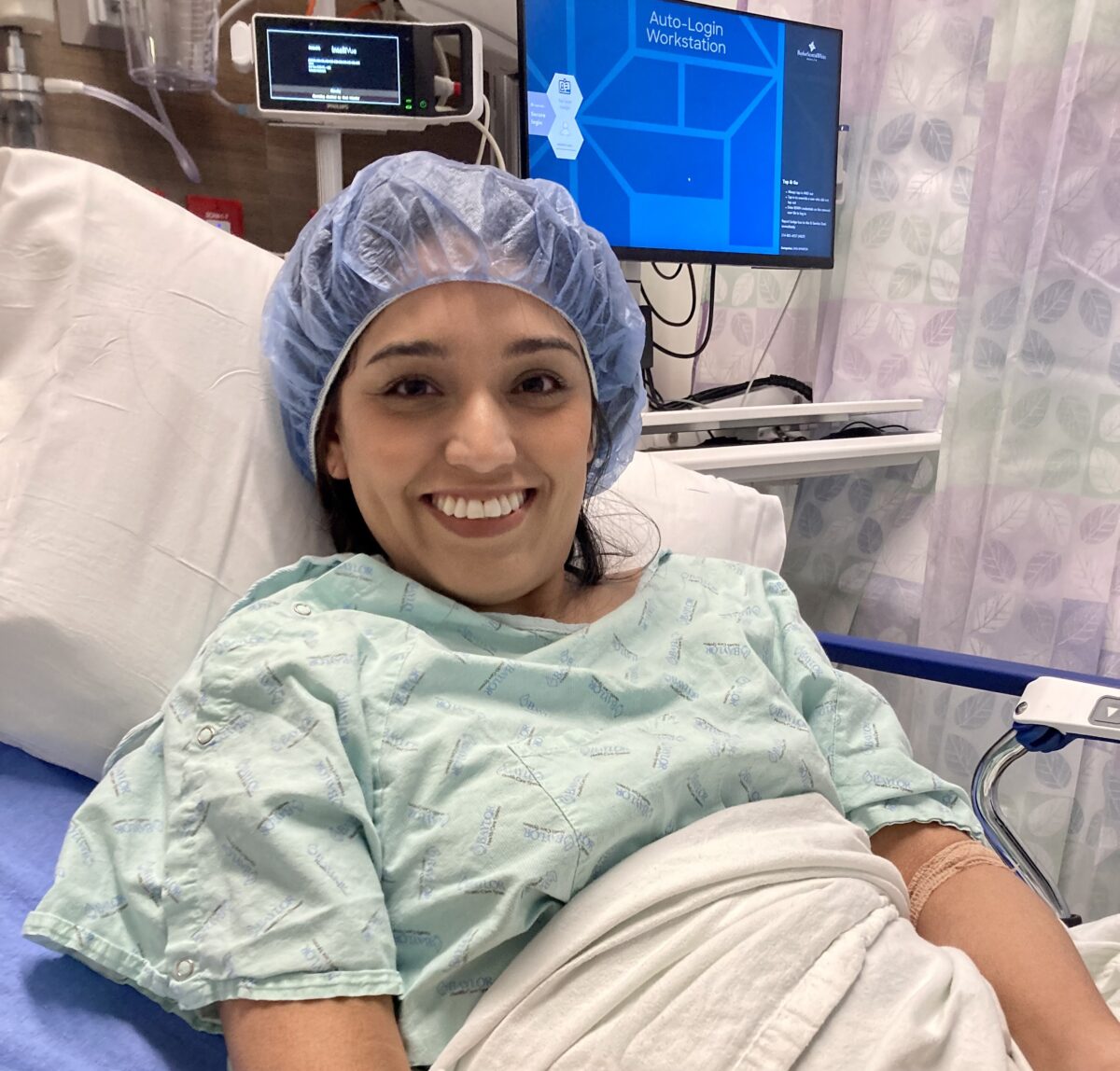
The following morning, I woke still fatigued, nauseous, with blurred vision and a lingering headache. As I prepared to start my day, I told myself I needed to push through—after all, I am a healthcare provider and my patients need me. As women, we so often place ourselves last.
While driving, my symptoms suddenly worsened. I remember calling my husband and telling him something was very wrong and that I needed to get to the hospital immediately. Without hesitation, he left work and took me straight to the emergency room.
A CT scan and MRI revealed a brain aneurysm that was potentially fatal. I was airlifted to another facility due to concern for a subarachnoid hemorrhage, which thankfully was ruled out. Surgery was recommended; however, due to insurance and prior authorization delays, my procedure was not approved until a month later.
That waiting period was one of the hardest times of my life. I lived with constant fear, anxiety, nausea, severe headaches, and sensory sensitivity to light and sound—always wondering if the aneurysm would rupture. When surgery finally took place, my neurosurgeon told me it was life-saving. I received two Pipeline stents and learned that I also have another small aneurysm that will require ongoing monitoring.
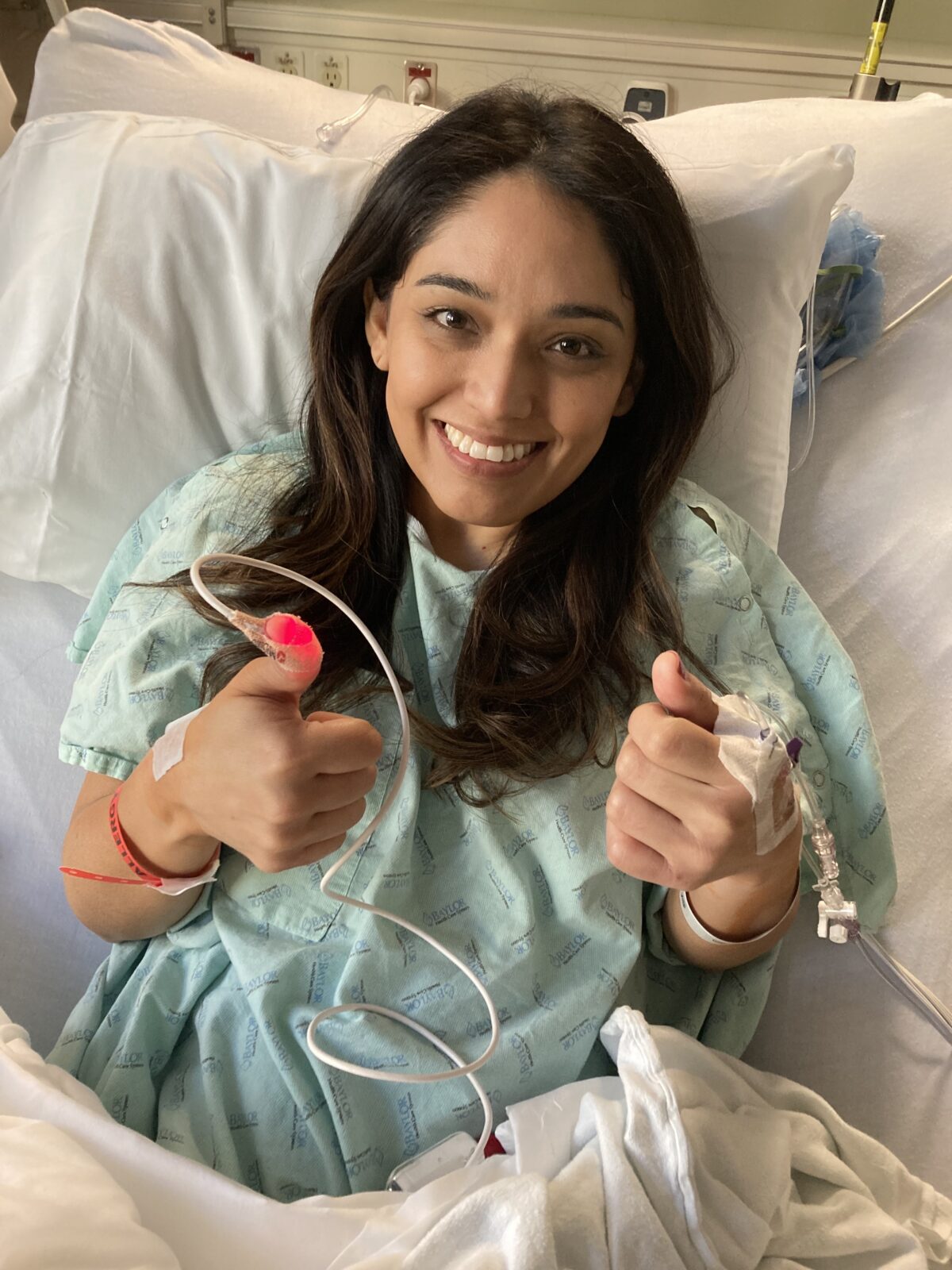
My journey is far from over. I continue to face daily challenges, but I am deeply grateful to be home with my family—my husband and my three boys, who are my greatest motivation to keep moving forward. The hardest part of my hospital stay was being away from them.
I believe in the power of prayer and healing. This experience has changed me, and I am now on a mission to share my story and encourage others: do not ignore the signs, put yourself first, have open conversations with your healthcare provider, advocate for yourself, and seek help. You are not alone.
Knowing there is a community dedicated to supporting brain aneurysm survivors gives me strength and hope. If my story helps even one person listen to their body or seek care sooner, then sharing it is worth it.