Brain Aneurysm Foundation
 Elaney’s Story
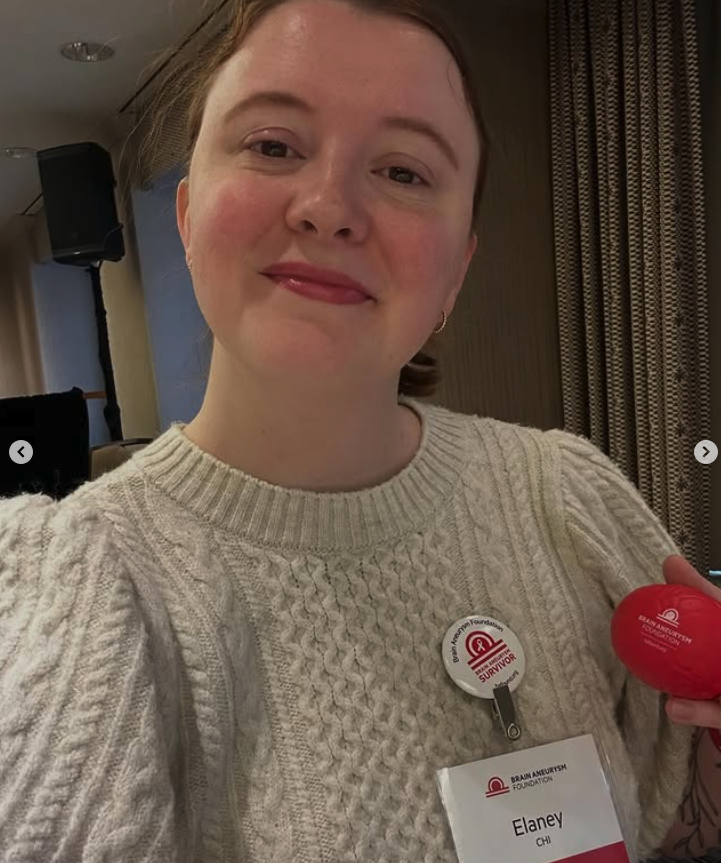
My story started in 2006 when my mom survived a ruptured AVM and aneurysm after undergoing surgery on her cervical spine. At the time, I was only 9, so I wasn’t entirely sure what was happening, but I knew my mom’s life was changed forever. 16 years later, in July 2022, I experienced my first thunderclap headache, what I later learned to be a sentinel bleed. I had had migraines my whole life, and thought it was something I inherited from my mom, but this one was different. I was taking a work call, and suddenly my vision tunneled, became blurry, the pain made me extremely nauseous, I couldn’t process what was being said to me or what I wanted to say, my blood pressure shot up, and my speech was slurred. My hearing felt like someone turned the radio down. This all happened again one day later. Being unaware of my own family history and knowing insurance and doctors wouldn’t support a scan for me, I waited. I know now that I am incredibly lucky that I had the chance to wait, as sentinel headaches are typically precursors for an aneurysm that will burst in a few days, weeks, or months.
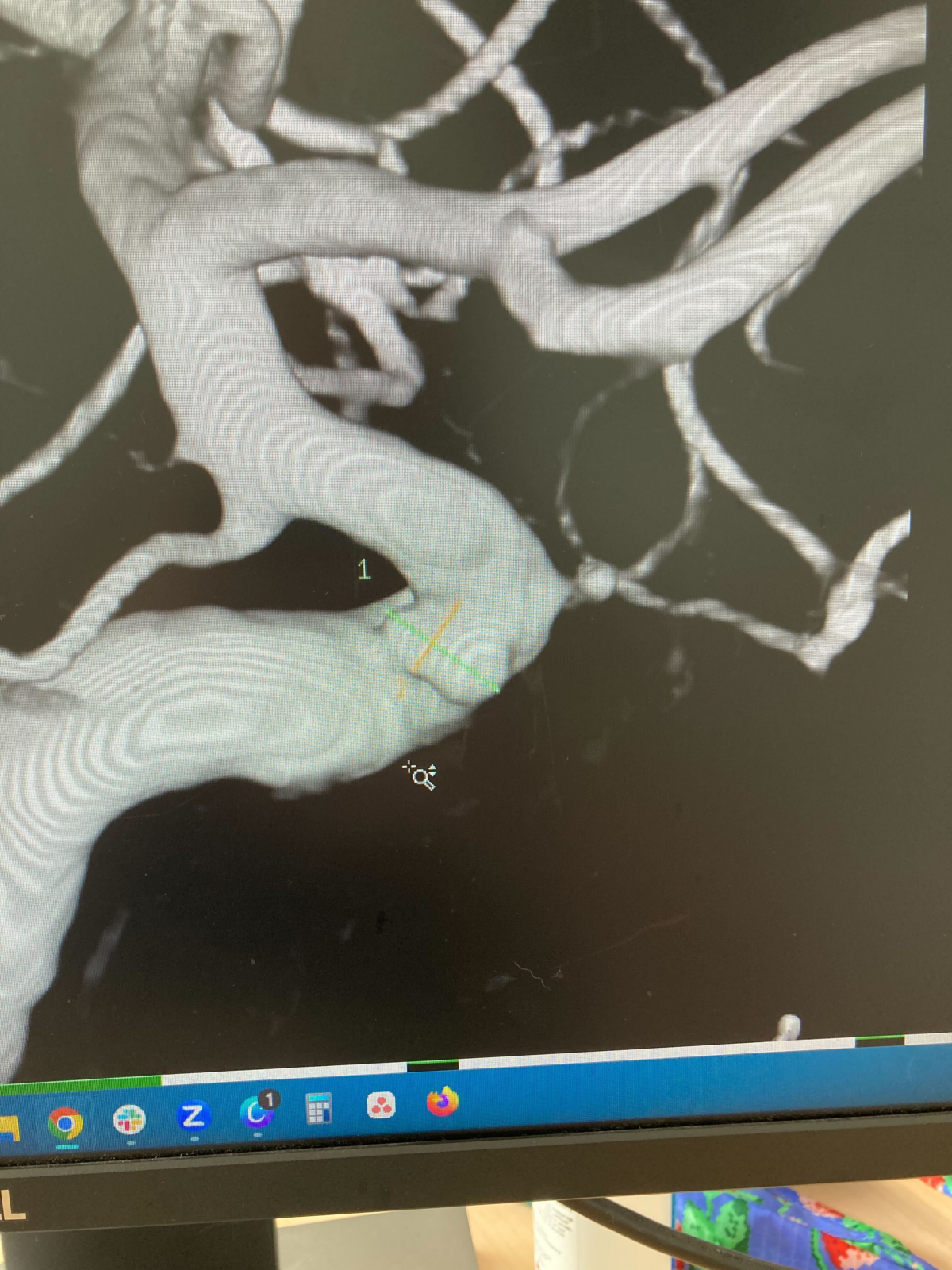
In April 2023, after switching insurance, I finally met with a neurologist for the first time via Zoom. He reviewed my clinical history, told me I was having migraines and prescribed rizatriptan, and said I should request a new appointment if anything worsens, without defining what ‘worsens’ means. I spoke with my mom to get a better idea of what happened in 2006, and after learning the truth, I was back in the neurologist’s calendar to convince him that I needed an MR-A, or MRI angiogram, due to my symptoms and family history. He eventually agreed, although was adamant that nothing would be found, and said I can schedule a scan myself and he’ll reach out when he gets the results. It was a couple more weeks before I could get the scan done, and immediately after it was done, I could tell something was off with the radiologist. They were suddenly very gentle, and making sure I was okay. I wasn’t sure why this was, and I pushed this off as my own anxiety or reading too much into things, and went home.
A week later, my husband and I were sitting in the On the Border restaurant in the Orlando airport, on our way to a short vacation. I received a MyChart message, saying my test results from the MR-A were ready to review. There, I found out that I had a 2mm outpouching in the left internal carotid artery, in the opthalmic region of my brain, with the impression stating that it was likely a ‘carotid cave aneurysm’. The neurologist included a quick note – “There is very small, 2 mm brain aneurysm in the left internal carotid artery. No worse at this time but we need to have periodic follow-up scans. No smoking, or heavy drinking. I would like you to see an vascular neurosurgeon, just to establish care, as I do not believe you to have any intervention.” I closed my phone, looked at my husband, and said ‘I have a brain aneurysm’.
I immediately tried calling the recommended neurosurgeon from the neurologist, but I couldn’t get a hold of him. This is a life changing diagnosis and I knew nothing other than what was in MyChart and what I could find on Google. I couldn’t get a hold of anyone, and I was panicking. My husband did his best to calm me down, and we boarded our flight to New Orleans where I wrote my first journal entry in the Notes app on my phone: i’m a ticking time bomb.
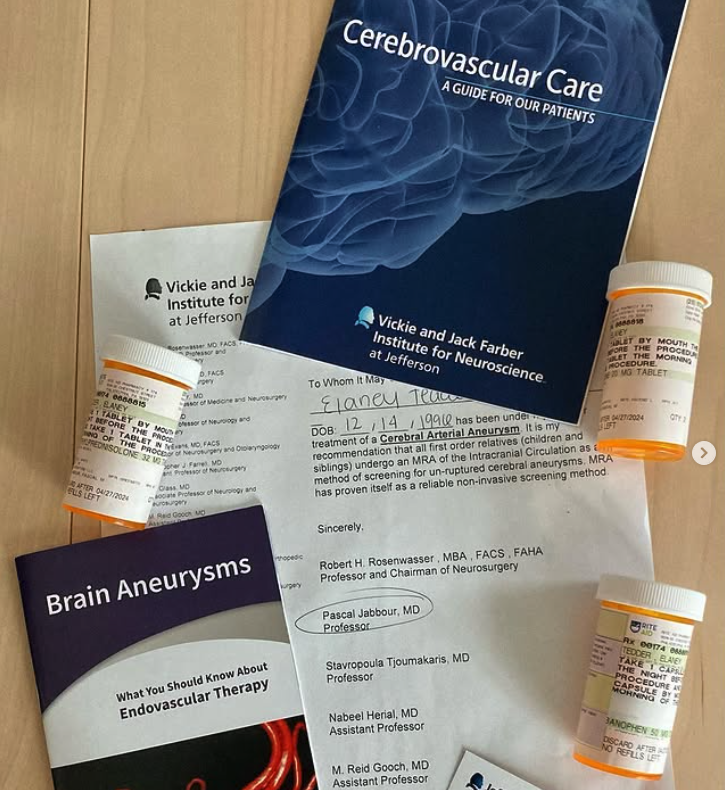
The next few weeks were a blur – blood tests, meeting with my neurosurgeon, having an angiogram done which confirmed the aneurysm and increased the size: 4-5mm brain aneurysm. I’m beyond grateful for my neurosurgeon, as he set me up with the best treatment plan (at the time): flow diverter to help blood bypass the aneurysm and heal the aneurysm completely. My surgery was done endovascularly through my wrist, and was a success on May 31st. After 1 day in the Neuro ICU, I was home, and I thought everything would be behind me.
To receive treatment via flow diverter, I had to start dual antiplatelet therapy medications, colloquially known as blood thinners. My antiplatelet medications were Plavix and aspirin, and I needed to take this for 2 weeks before surgery, and 6 months after. The aspirin would stay with me for life. Treatment went well, and I continued to feel well until June 9th, 2023, when I suddenly felt excruciating pain in the lower left quadrant of my abdomen. I went to the emergency room where I was immediately evaluated for ovarian torsion and told I would need emergency surgery to save my ovary. I had so many questions and was so scared – I’m on blood thinners, I’ve had zero time to prepare, my neurosurgeon doesn’t know what’s going on, what will all of this mean? I had no time to ask these questions, as I was taken directly to the OR. I wish I could say the surgery went well, but it began what I call a series of unfortunate events: the cyst on my ovary was hemorrhaging and had to be removed, but the incision wasn’t closed completely and I was bleeding internally; the nurses thought I was fine to stand up immediately after surgery since it was done laparoscopically, but upon standing in the bathroom, I fell backwards and hit my head (on DAPT and with a fresh stent; thankfully no injury); I needed 4 full blood transfusions; and I needed another emergency surgery to stop the bleeding. The second surgery was successful, and after a paralytic ileus and NG tube, I was home a week later.
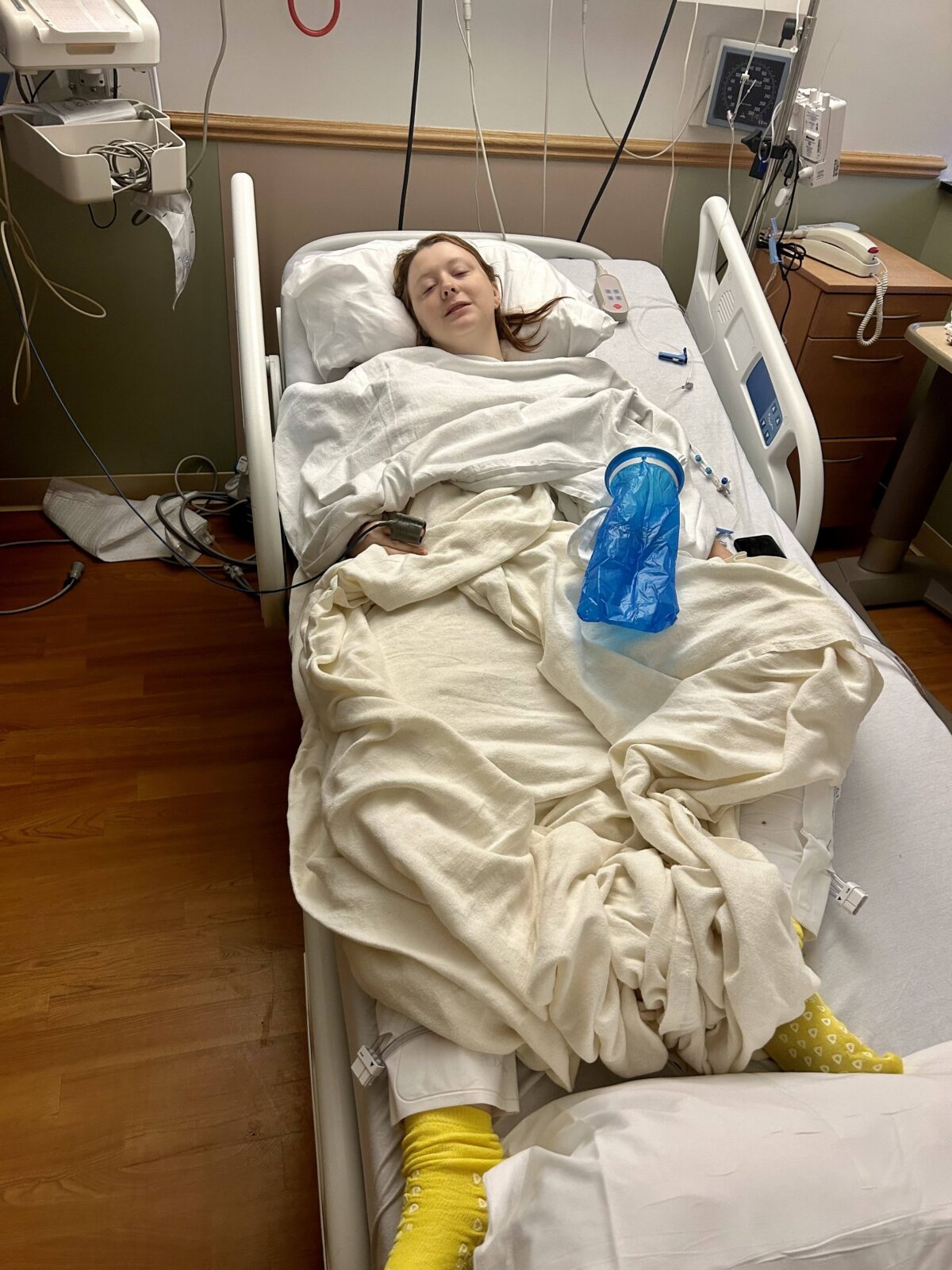
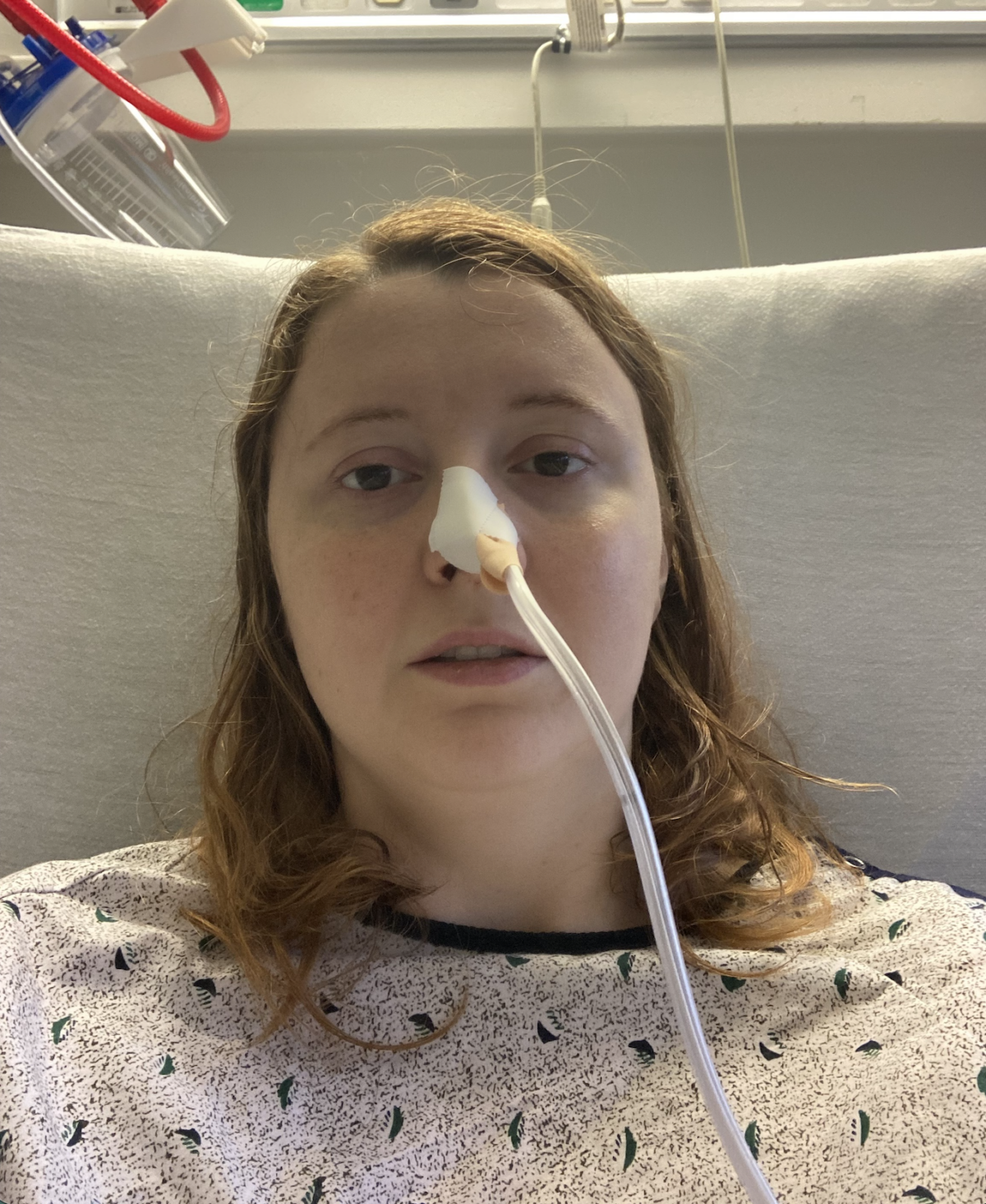
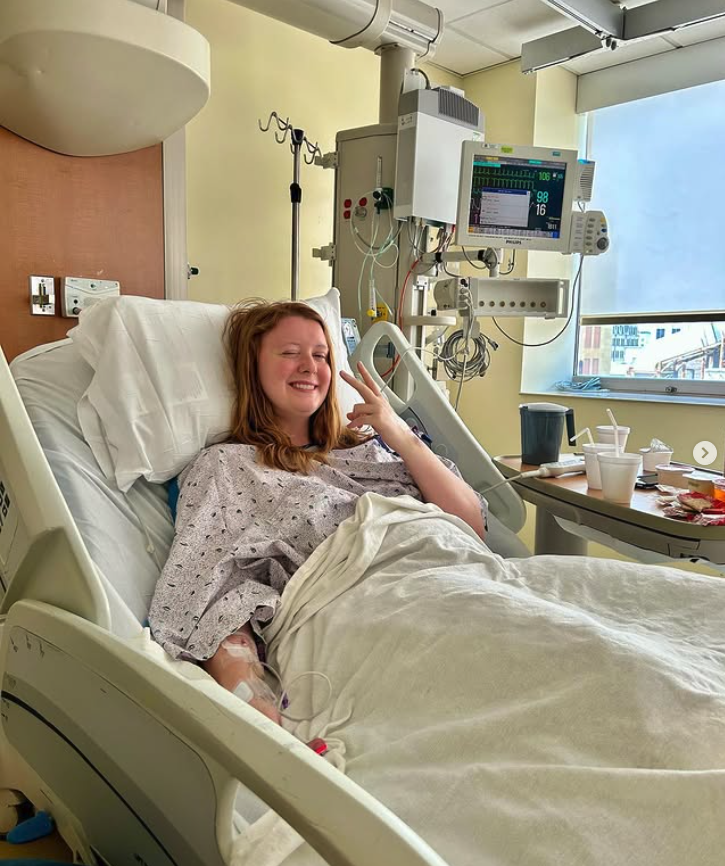
My hope was that this unfortunate story was over at that point, but the excruciating pain returned in late August. I was in the emergency room 5 days in a row and was labeled as drug seeking, and sent home with nothing but Tylenol and a heating pad. Finally, on the 6th visit, I was admitted for pain management and more scans/blood work, and the final decision was to surgically remove my left ovary. During surgery, it was found that my left ovary and fallopian tube had to be removed, rather than just my ovary. This meant a permanent effect on my fertility and lifespan, altering the way that I look at the world. In November 2023, I had my follow up angiogram where my aneurysm was found to be fully treated, and I could stop the Plavix. My nightmare had finally ended.
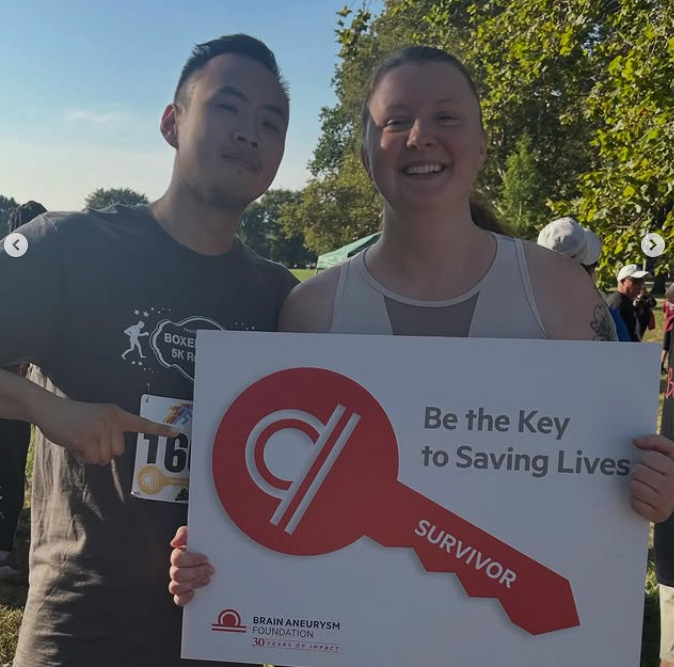
Today, I live a different life than I did before my diagnosis in 2023. I still deal with some effects of the surgeries, such as vision issues and abdominal pain, but I also have a new appreciation for life and the situations that it gives me. I have a new appreciation for family, for my husband, for my cats, and for what truly matters in life. One aspect that I think is often overlooked is the mental health aspect. Survivors of any traumatic event deserve to have the mental and emotional tax acknowledged, right alongside the physical, as oftentimes those scars can last longer than any physical impairment. I hope to keep telling my story and finding others like me, so this isn’t such an isolating experience.
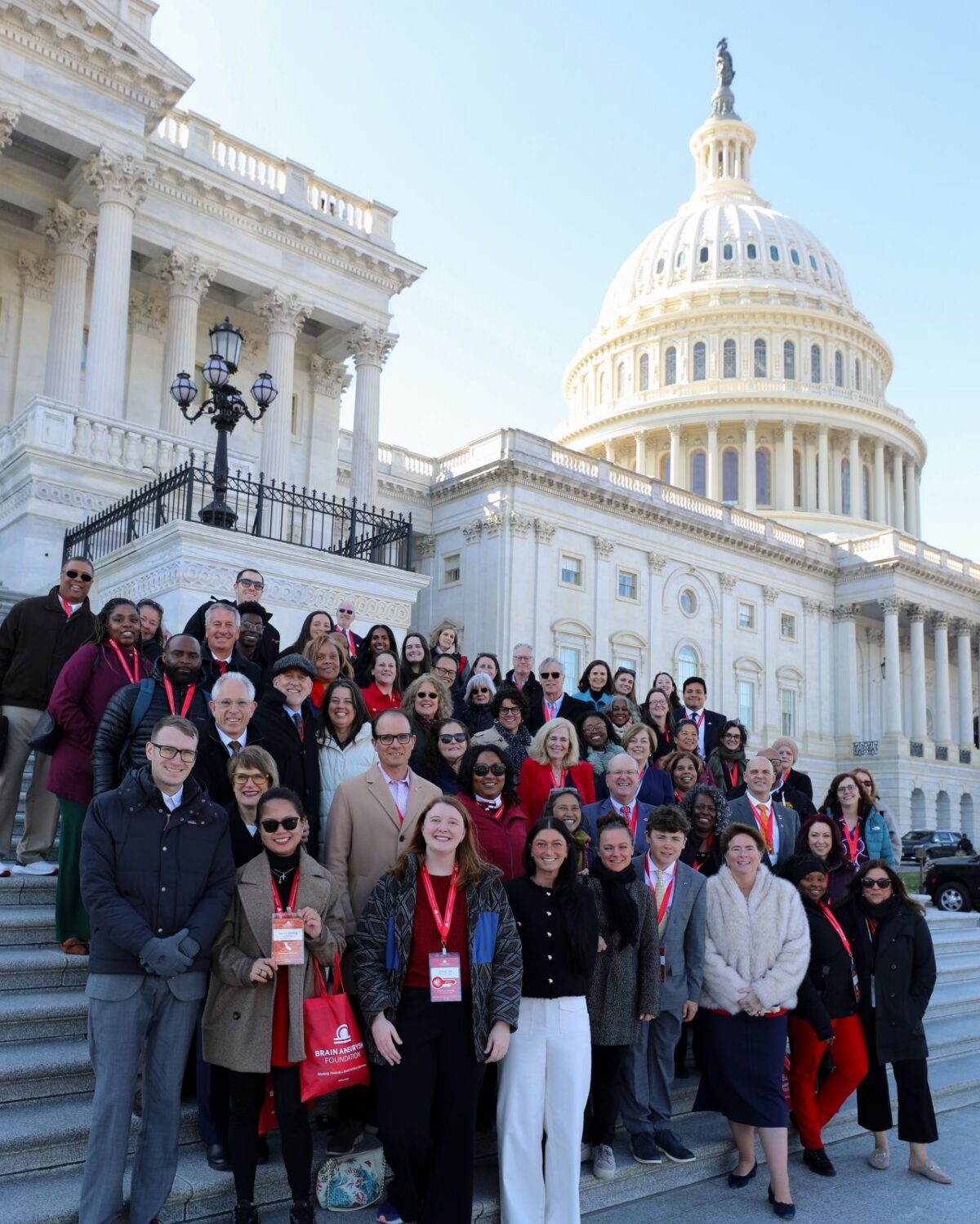
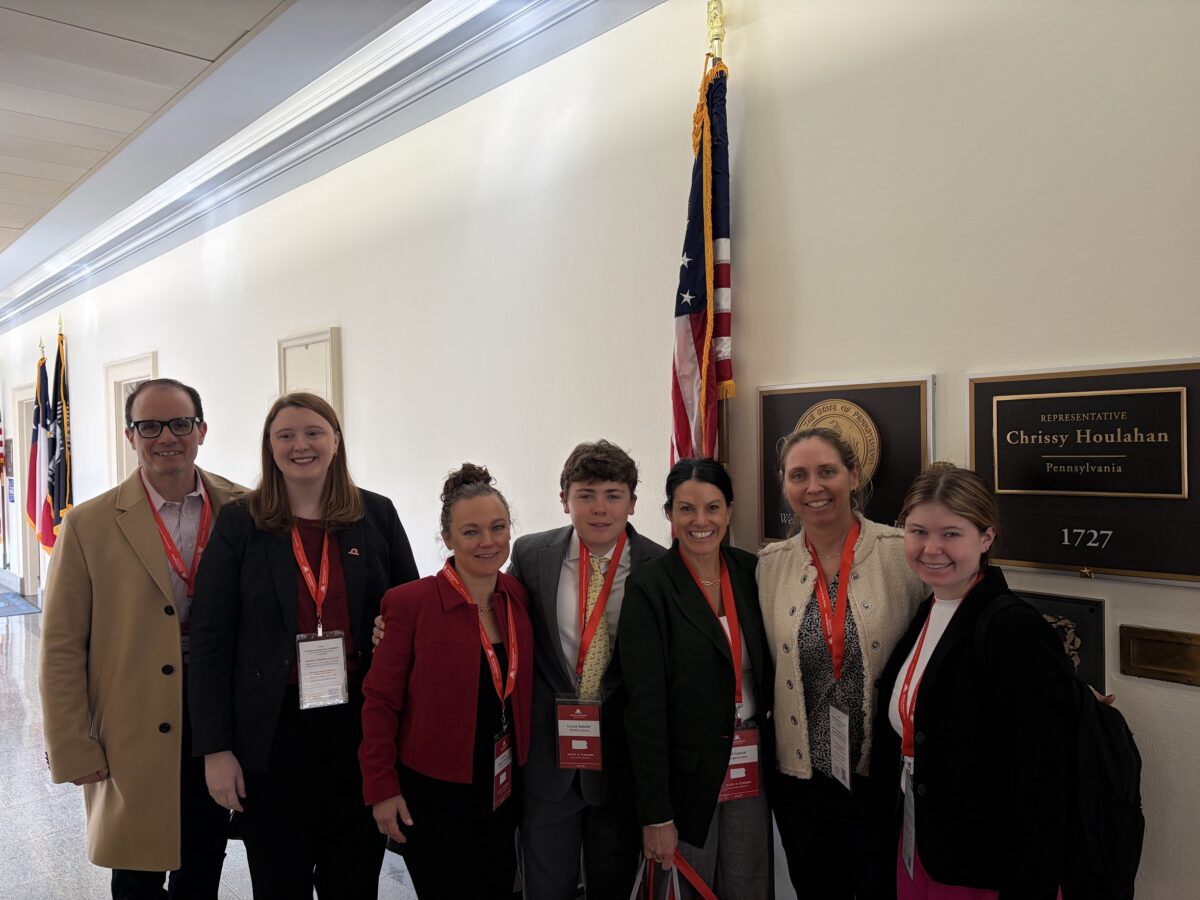
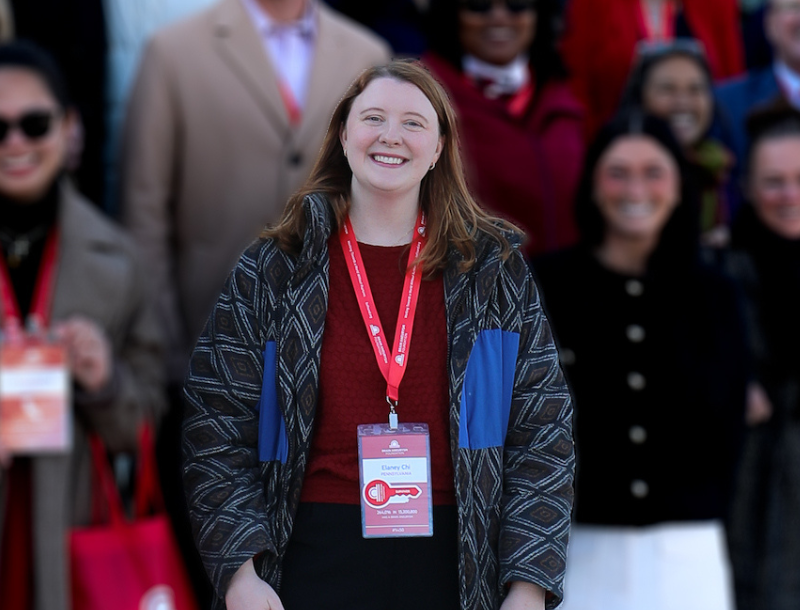
I’ve found ways to start participating in the brain aneurysm community through events held in Pennsylvania, one being with the Brain Aneurysm Foundation at their 5K event in Philadelphia in 2025. These events showed me that I am still capable of hard things, that I can still push through the suck and come out better on the other side. Attending these events built up my confidence to join the brain aneurysm community in-person in 2026 at the Brain Aneurysm Foundation’s Advocacy Day in Washington, DC, where I joined a group of other community members to talk with congresspeople. We told our personal stories and asked for support for Ellie’s Law, an appropriations bill that would grant millions in funding for further research into brain aneurysm detection and ruptured brain aneurysm prevention. I was able to meet so many other members of the community and come together for a shared cause. After Advocacy Day, the Brain Aneurysm Foundation also hosted a support conference, where I met other unruptured survivors and related our struggles, as well as shared our hopes for the future. I’m looking forward to participating in more advocacy and community events as I begin to adjust to my new life.