

 Brain Aneurysm Foundation
 Danisha’s Story – Video
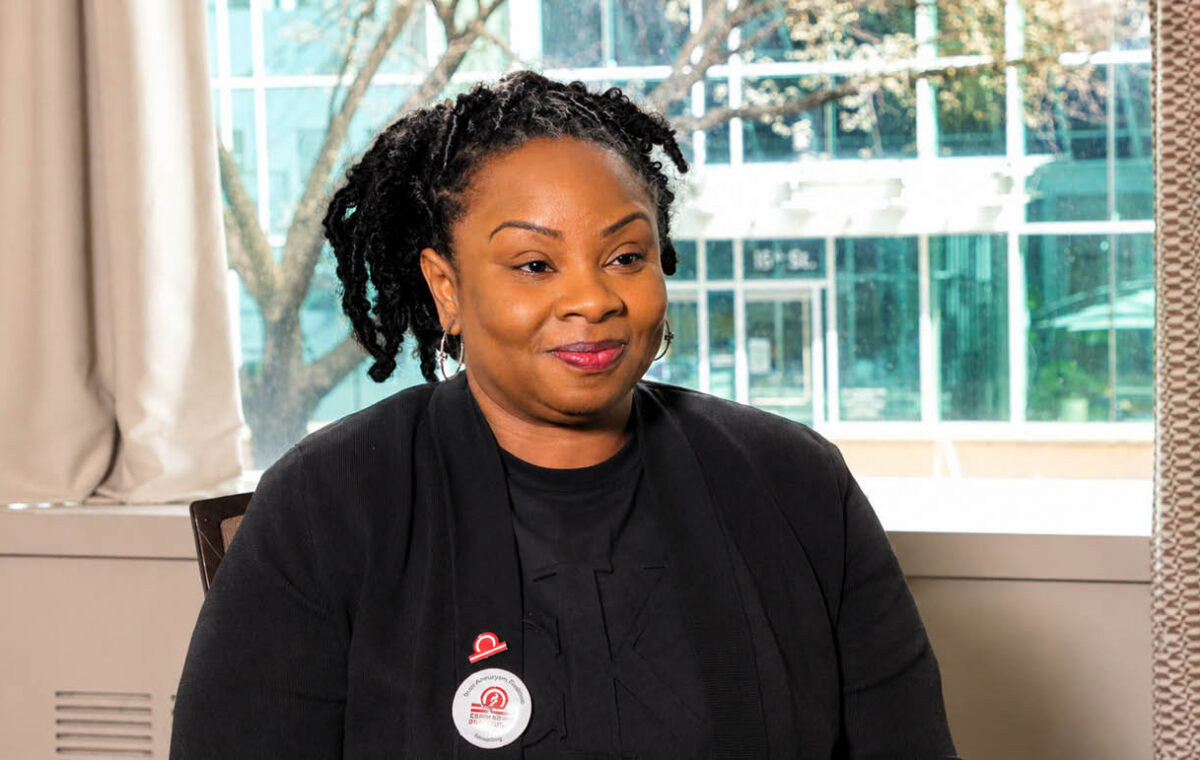
After experiencing symptoms for nearly a decade that were repeatedly dismissed as migraines, Danisha suffered a life-threatening rupture in 2017 while home alone recovering from surgery. In this powerful and deeply personal video, she shares the terrifying moments leading up to her diagnosis, the lasting impact the rupture has had on her daily life, and the challenges many survivors face when seeking recognition, support, and disability assistance. Her story highlights the urgent need for earlier detection, increased awareness, and greater research funding for brain aneurysm patients and survivors.
Video transcript:
My first rupture happened on March 18, 2017. I was home recovering from an unrelated surgery when I felt a loud pop. Then my body became hot—like it was on fire. There was a loud ringing in my head, almost like being in a building when a fire alarm goes off—but it was inside my head.
I was home alone, so I stumbled into the kitchen and tried to stand in the freezer to cool off. That didn’t work. Then I collapsed on the kitchen floor. I had to crawl back into my bedroom to get my cell phone. I was able to dial 911 and tell them who I was. Then I started vomiting and lost consciousness.
When I came to, I could hear the paramedics breaking in to get to me. I remember yelling because I was having spasms. The hospital was right across the freeway from me. When I got there, I remember the doctor coming in and saying, “You have a brain bleed. We have to send you to a bigger hospital.” I was transferred by ambulance, and when I arrived, I waited about 13 hours before going into surgery.
Ironically, I had been displaying symptoms of an aneurysm for 10 years as a veteran, but it was dismissed as migraines. They never ran a scan. I think my message on Capitol Hill about preventative measures is very important, because if a simple scan had been done, I could have received treatment before the rupture. That could have minimized the effects it has had on my life and how drastically my life has changed.
I share my story and what I went through because, even though I may look “normal,” I have a lot of deficits. My life was forever changed. I no longer work, and this illness is not considered debilitating by Social Security standards. Because of that, many survivors are unable to apply for support—there simply isn’t enough research backing it.
Most people don’t survive. And many who do can’t articulate or advocate for what they’ve experienced. That’s why sharing my story is so important, and why I continue to come back—because so many people never get the chance to tell theirs.
March 18, 2017, was my rupture.
March 18, 2024, was my first Advocacy Day on Capitol Hill.
March 18, 2025, I had an ischemic stroke.
And here I am—March 18, 2026—back on Capitol Hill, advocating for brain aneurysm support.