

 Brain Aneurysm Foundation
 The “But You Look So Good” Problem: Living with a Hidden Disability

“You’d never even know.”
For someone who survived a brain aneurysm, those four words are complicated. On one hand, it’s great news; it means you’ve made a huge recovery. But on the other hand, it can feel like people don’t see the hard work you’re doing every single day just to keep up.
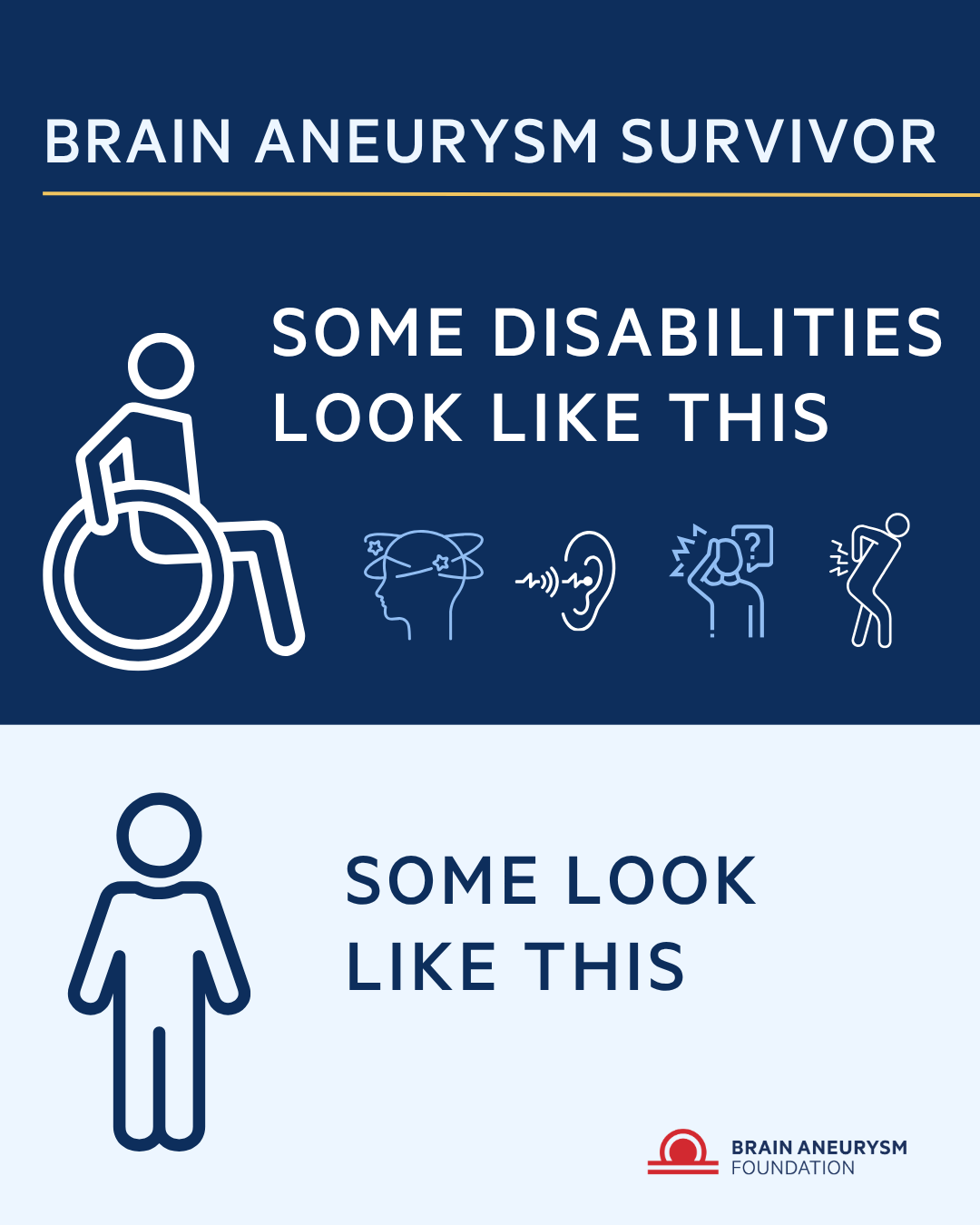
When you look “normal,” people expect you to act “normal.” But the truth is, a lot of the struggle is happening where no one can see it.
What’s Really Going On
If we could see inside a survivor’s daily life, it wouldn’t just be about the surgery. We’d see the hidden challenges that make a “normal” day feel like a marathon:
- Neuro-Fatigue: This isn’t just being sleepy. It’s like your brain suddenly “unplugs.” You might feel fine at lunch, but by the time you get home, you’re totally spent just from the noise and conversation.
- Searching for Words: You know exactly what you want to say, but the word is stuck. It’s not just “forgetfulness,” it’s your brain trying to find a new way to process information.
- Sensory Overload: Sometimes the world is just too much. Bright lights or loud rooms aren’t just annoying; they feel like an attack on your senses. A quick trip to the store can feel overwhelming.
It’s Okay to Not Be “Fine”
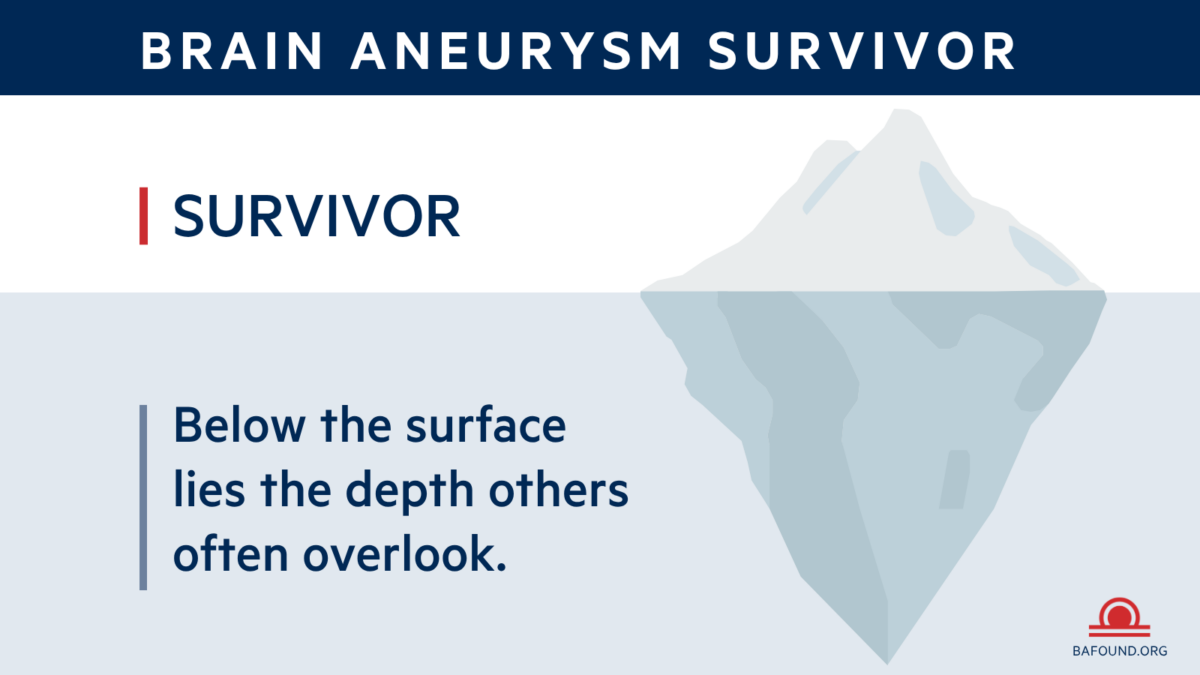
Why should we talk about “invisible disabilities”? Because it helps to know you aren’t alone.
When we realize that things like “brain fog” or being moody are actually physical parts of the injury, we can stop being so hard on ourselves. You aren’t failing; you’re healing.
Quick Tip: Next time someone says, “But you look so good,” you can say: “Thanks! I’m glad I’m looking better. I’m still working really hard on the invisible side of things, like my energy and focus, but I’m getting there.”
How You Can Help a Survivor
If you know someone recovering from a brain injury, here are three simple ways to support them:
- Just Listen: Sometimes a survivor just needs to say, “Today is a really hard day,” without someone trying to “fix” it or tell them they look fine. Let them talk about the invisible stuff, the fatigue or the frustration, without judgment.
- Let them leave early. If they need to head home from a party, don’t make them feel bad. They aren’t being boring; they just ran out of “brain juice.”
- Believe them. If they say they can’t do something today, trust them—even if they were able to do it yesterday. Recovery has good days and bad days.
We Are Here for You
This year, we want to make the “invisible” side of recovery something everyone understands. We are working to make sure every survivor feels heard, supported, and understood, not just by us, but by their workplaces and their communities.
Your scars might be hidden, but we see how far you’ve come.