

 Brain Aneurysm Foundation
 Just Diagnosed with a Brain Aneurysm?

When you first hear the words “brain aneurysm,” it feels like the world stops. It’s completely normal to feel overwhelmed, scared, or like you have a million “what ifs” running through your head.
The most important thing to know right now is that you are not alone. About 1 in 50 people in the U.S. are living with an unruptured aneurysm. Now that you know yours is there, the best thing you can do is get the right information.
Here is a simple guide on what to ask your doctors and how to handle the days ahead.
1. Understand Your Unique Aneurysm: The “What & Why”
Every aneurysm is unique, and understanding yours is paramount. Don’t be afraid to ask for specifics.
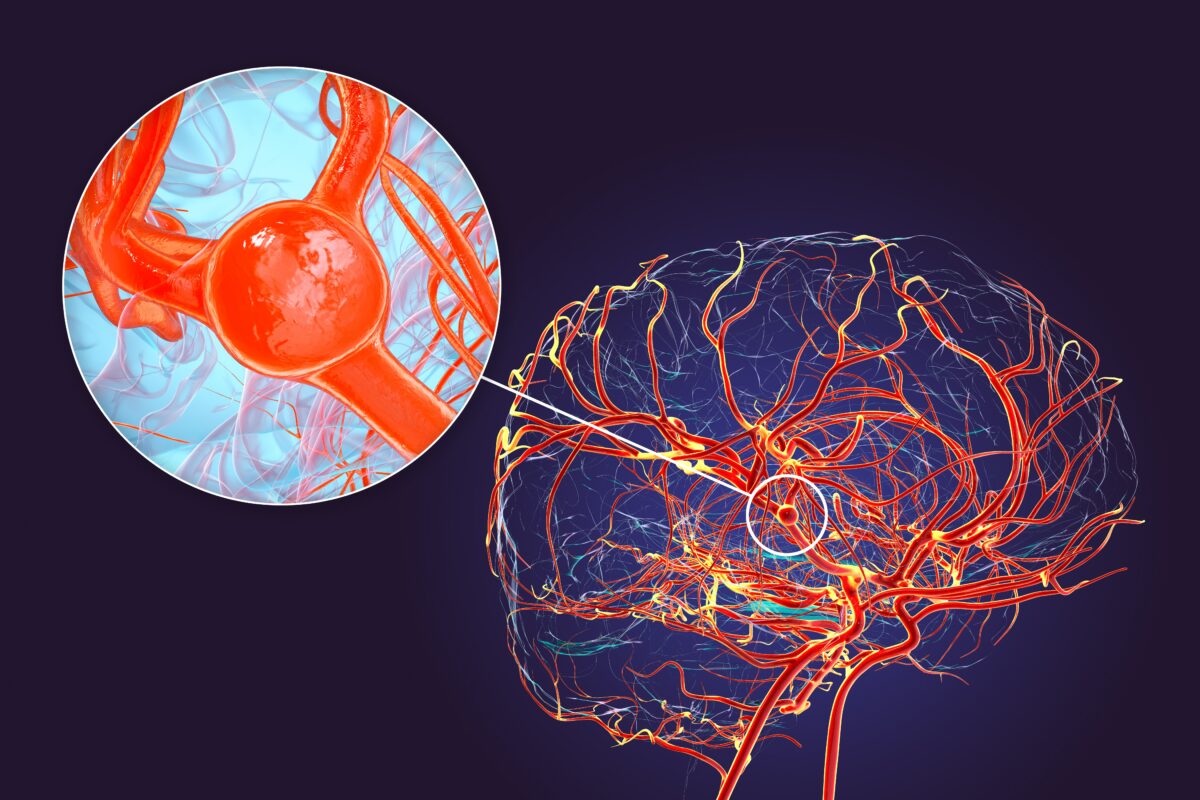
- What is my rupture risk? This is often the first question on everyone’s mind. Your neurosurgeon will assess your individual risk based on several factors, including:
- Size: Measured in millimeters (mm). Smaller aneurysms often have lower rupture risks.
- Location: Aneurysms in certain blood vessels may carry higher risks.
- Shape: Irregularly shaped aneurysms or those with “daughter sacs” might be riskier.
- Growth: Has it grown over time?
- What type of aneurysm do I have? Is it saccular, berry, or fusiform (a general widening of the vessel)?
- Why did this happen to me? While not always clear, discuss potential contributing factors like family history of aneurysms, high blood pressure, or smoking. Knowing the “why” can sometimes empower you to make lifestyle changes.

2. Navigating Treatment: “Watching and Waiting” vs. Intervention
Not every aneurysm requires immediate surgery. Sometimes, monitoring is the safest approach.
Observation Plan: If “watching and waiting” is recommended, ask: “How often do I need follow-up imaging (MRAs or CTAs)? What size or change would trigger a discussion about intervention?”
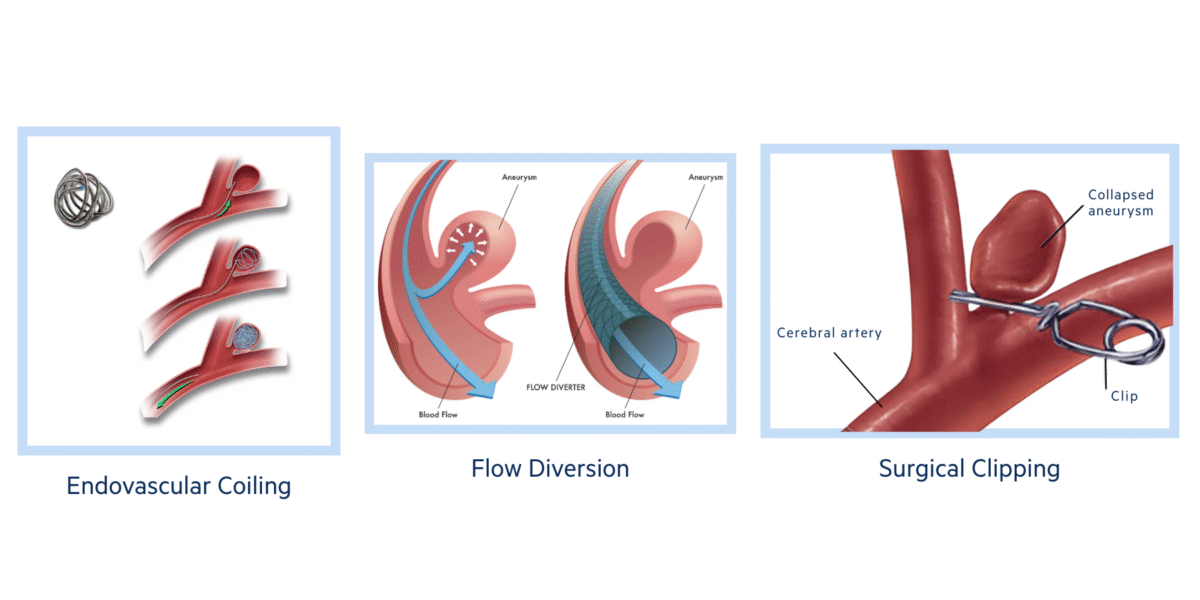
Exploring Your Options: If intervention is on the table, learn about:
- Endovascular Coiling: A minimally invasive procedure where coils are threaded through a catheter to fill the aneurysm
- Flow Diversion: Newer techniques involving stents that divert blood flow away from the aneurysm.
- Surgical Clipping: An open surgical procedure where a tiny metal clip is placed at the base of the aneurysm to stop blood flow.
- Ask: “Am I a candidate for all options? What are the pros and cons of each for my specific case? How many of these procedures has this surgeon performed?”
3. Lifestyle Adjustments: What Can (and Can’t) I Do?
It’s normal to worry about how this diagnosis impacts your daily life. Get clear guidance.
- Physical Activity: “Can I still exercise? Are there any activities, like heavy lifting or intense straining, that I should avoid?” Your doctor may advise against actions that significantly raise blood pressure.
- Diet & Habits: “Do I need to change my diet? Can I still drink caffeine or alcohol? Do I need to stop taking any current medications, even over-the-counter ones?”
- Travel: “Is it safe for me to fly or travel long distances?” Generally, unruptured aneurysms don’t restrict travel, but it’s always best to confirm with your neurosurgeon.
4. Supporting Your Family: The Genetic Connection
Aneurysms can have a genetic component, leading to concerns for loved ones.
- Family Screening: “Should my siblings, children, or other first-degree relatives be screened?” Click here to watch a BAF webinar on all things familial aneurysms.
- What does screening involve for them? Usually, it starts with a non-invasive MRA.
5. Emergency Preparedness: Knowing Your “Red Flags”
Empower yourself by knowing precisely when to seek immediate help.
- “What are MY specific warning signs for a rupture?” While the “Thunderclap Headache” (the worst headache of your life, sudden and severe) is the most common symptom of rupture, other symptoms like vision changes, a stiff neck, or loss of consciousness are critical.
- Emergency Contacts: Ensure your loved ones know your diagnosis and what to do in an emergency.

6. Building Your Support Network: Practical & Emotional
You don’t have to go through this alone.
You have faced a challenging diagnosis, and we are here to walk with you. The Brain Aneurysm Foundation offers a wealth of resources, from detailed information on treatments to a network of support groups.
- Find Your Community: “Are there local or online support groups through the Brain Aneurysm Foundation where I can connect with others who understand?” Sharing experiences can be incredibly empowering.