

 Brain Aneurysm Foundation
 AI Helps Radiologists Spot Aneurysm Growth Earlier and More Accurately—A Milestone Powered by Early BAF Research Funding
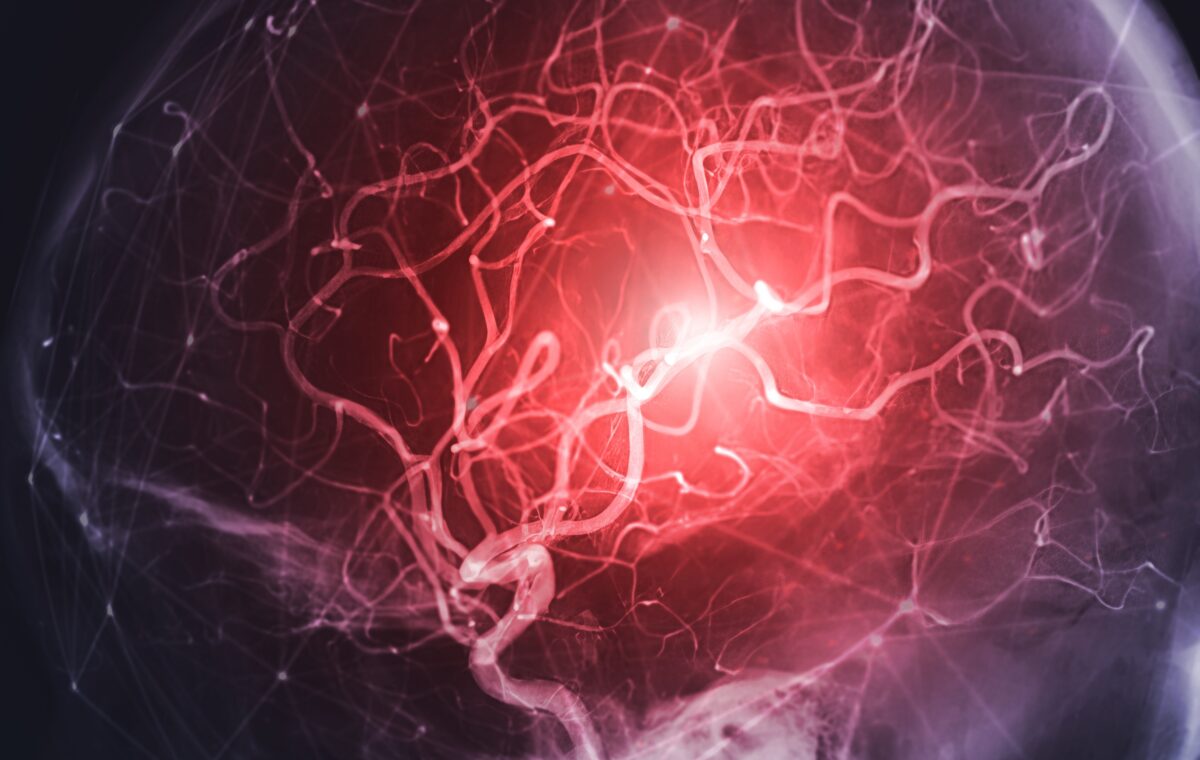
Tracking a brain aneurysm over time can be lifesaving, but it’s also one of the most difficult challenges in neuroradiology. Even subtle changes in aneurysm size may signal increased rupture risk, yet those changes can be hard to detect, especially across multiple scans taken months or years apart.
A recent announcement from RapidAI suggests that its technology may provide significant improvements in detection and, in turn, improve brain aneurysm care. An abstract shared at the International Stroke Conference this month described research evaluating longitudinal aneurysm measurements and showed that RapidAI’s Aneurysm platform detected 46% more clinically significant aneurysm growth than neuroradiologists’ interpretations alone. In the study, RapidAI identified 27 of 28 growth incidents, compared with 14 of 28 by neuroradiologists.
Why this matters for patients
Aneurysm growth is one of the critical signals clinicians consider when assessing rupture risk and determining whether to monitor closely or intervene. If AI tools can consistently detect growth that might otherwise be missed, patients may benefit from:
- Earlier identification of increased risk
- More confident treatment decisions
- Improved monitoring over time
- Potentially earlier, life-saving intervention before rupture or stroke
Importantly, the findings also indicate that RapidAI’s platform reliably captures true linear growth while maintaining comparable specificity—supporting more consistent follow-up and helping reduce uncertainty when comparing scans.
AI as an “adjunct,” not a replacement
The goal isn’t to replace expert clinicians; it’s to strengthen their ability to see what can be exceptionally difficult to see. As lead author Jeremy Heit, MD, PhD, explained:
“Identifying true aneurysm growth over time is challenging, even for highly experienced neuroradiologists. Our findings suggest that deep clinical AI can serve as a valuable adjunct by consistently detecting subtle changes that are difficult to discern visually, helping support longitudinal assessment and more informed decision-making aimed at preventing aneurysm rupture and stroke.”
This is the kind of practical, clinical AI that can improve real-world care: tools that integrate into physician workflows and help deliver more timely, precise insights.
A proud moment for the Brain Aneurysm Foundation—and a reminder of what funding makes possible
The Brain Aneurysm Foundation is proud that BAF funding supported foundational research that helped pave the way for technologies like the one used in RapidAI’s Aneurysm platform. Breakthroughs like this don’t appear overnight—they are built on years of early-stage investigation, testing, iteration, and validation.
This progress highlights truths we see again and again:
- Early-stage research funding is essential—and continued investment is what turns promising ideas into clinical tools.
- AI has the potential to meaningfully advance aneurysm detection and monitoring, helping physicians deliver smarter care and helping patients get answers sooner.
This announcement is an important step forward and a demonstration of what’s possible when research is supported early and consistently. With sustained funding, we can push further: improving detection, refining monitoring, understanding rupture risk, and ultimately preventing more ruptures and strokes.